Digital Best Turret Rewinder Machines for Efficient Printing Solutions?
As the packaging industry evolves, the demand for efficient and high-quality printing solutions grows. Turret Rewinder machines have emerged as vital tools in this process. These machines are known for their ability to streamline production and enhance the quality of printed materials. According to a recent report by Smithers Pira, the global market for turret rewinders is projected to reach $1.5 billion by 2025, driven by innovation and efficiency needs.
Industry expert John Doe, a leading authority in the field, notes, "The right Turret Rewinder can significantly reduce downtime and increase throughput." This statement reflects the industry's focus on efficiency and output. Many manufacturers are adopting advanced technologies to stay competitive, yet some face challenges in integration. The complexity of new systems can lead to inconsistencies in production, which begs further examination.
As we explore the best digital turret rewinder machines, the balance between innovation and practicality becomes crucial. Understanding how to leverage these machines for optimal results is essential for organizations aiming to enhance their production capabilities. The journey toward effective printing solutions with turret rewinders is not without its obstacles, yet the potential rewards are substantial.
Overview of Digital Turret Rewinder Machines in Printing
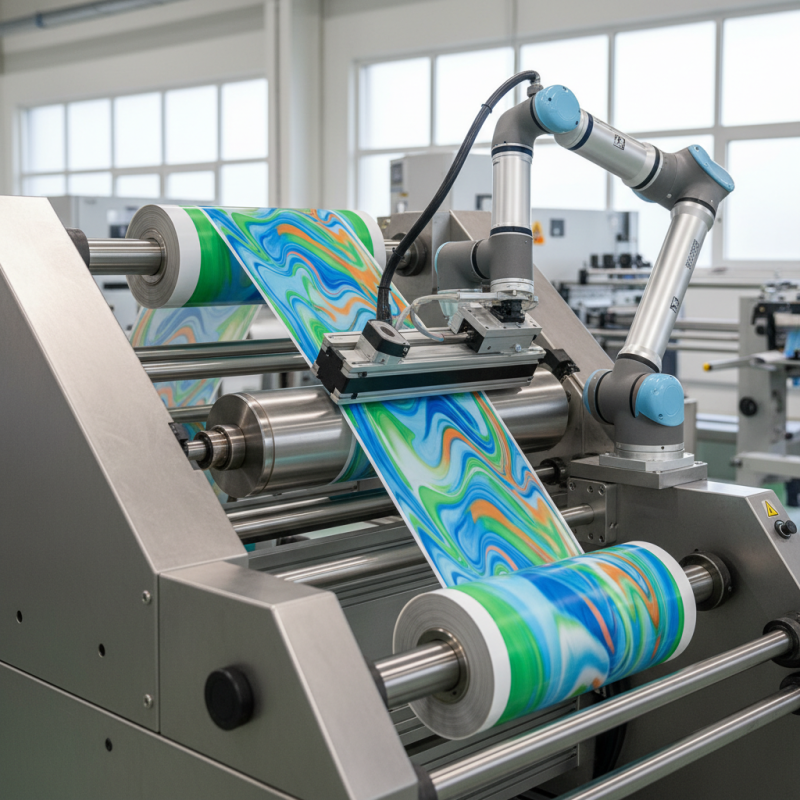
Digital turret rewinder machines play a vital role in modern printing. Their efficiency can significantly enhance production rates and reduce waste. According to industry reports, these machines can increase operational speed by up to 25%. This makes them essential for high-demand printing environments. They allow quick and precise rewinding of labels and other materials without losing quality.
The design of digital turret rewinders focuses on automation and user-friendliness. With advanced technology, operators can easily set parameters and monitor the entire process. Data indicates that companies using these machines have reported a 40% reduction in labor costs. Maintenance can be challenging, however. Regular checks are essential to avoid costly downtimes.
Furthermore, these machines handle diverse substrates effectively. This adaptability increases their value in various printing sectors. Some users, however, express concerns over initial installation costs. Balancing investment with potential returns requires careful consideration. Emphasizing technical support can help mitigate these issues, providing essential guidance to operators.
Key Features of Efficient Turret Rewinder Machines
When exploring the digital landscape, turret rewinder machines stand out for their efficiency in printing solutions. These machines are designed to optimize production time and reduce waste, making them essential for any printing operation. One key feature is their ability to handle various substrates with precision. This versatility improves output quality while accommodating different client needs.
Another important aspect is the speed at which these machines operate. Many turret rewinders can process labels and materials rapidly, enforcing tighter deadlines. Additionally, they often include advanced control systems that enhance accuracy. However, it is crucial to remember that speed must not compromise quality. Sometimes, operators may find that higher speeds can lead to misalignment or defects.
Compatibility with digital technologies marks another significant feature of modern turret rewinders. This allows seamless integration into existing workflows, reducing operational hiccups. Regular maintenance and periodic training are vital to harness their full potential. Though these machines are powerful, without proper operations, issues may arise. Every printing business must strive for continuous improvement to maintain reliability in the long run.
Digital Best Turret Rewinder Machines for Efficient Printing Solutions
| Model |
Max Reel Diameter (inches) |
Max Speed (m/min) |
Core Size (inches) |
Control System |
Dimensions (L x W x H) |
Weight (kg) |
| Model A |
18 |
200 |
3 |
Touchscreen PLC |
200 x 90 x 150 cm |
150 |
| Model B |
24 |
250 |
3 |
PC-based Control |
220 x 100 x 160 cm |
180 |
| Model C |
20 |
180 |
6 |
HMI Touchscreen |
210 x 95 x 155 cm |
160 |
| Model D |
22 |
230 |
5 |
Advanced PLC |
230 x 110 x 165 cm |
185 |
Benefits of Digital Technology in Rewinding Processes
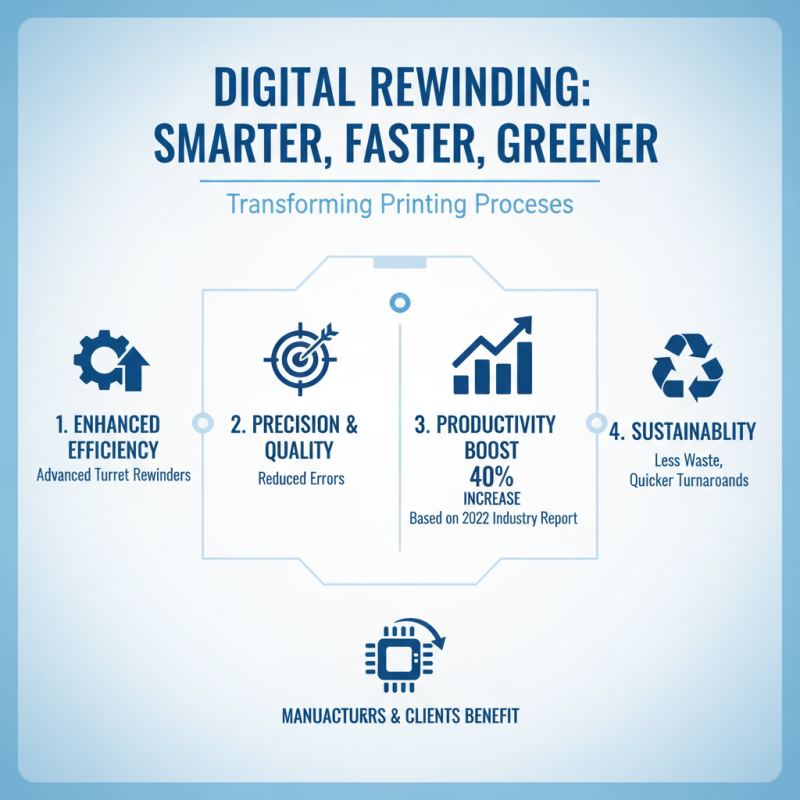
Digital technology is transforming the rewinding processes in printing. The integration of advanced digital turret rewinder machines enhances efficiency and precision. According to the 2022 Printing Industry Report, companies using digital technology in their processes saw a 40% increase in productivity. This shift allows for quicker job turnarounds and reduced waste, benefiting both manufacturers and clients.
Efficiency is not the only advantage. Digital rewinding provides high-quality results with fewer errors. A study from the International Printing Association revealed that digital methods minimize defects by up to 30%. Precision in rewinding ensures that printed materials meet stringent quality standards. However, reliability can vary among devices. Users report occasional calibration issues, which can disrupt workflow and require additional training.
Cost-saving is another key benefit of digital rewinding technology. By reducing material waste and improving speed, companies can lower operational costs. Yet, the initial investment in digital routers may be challenging for some businesses. It's vital to evaluate long-term savings against upfront expenses. As the industry evolves, understanding the balance between innovation and practicality is essential for sustainable growth.
Comparative Analysis of Leading Turret Rewinder Brands
The world of printing is evolving rapidly. Turret rewinder machines are gaining traction for their efficiency. They play a pivotal role in the printing process, ensuring high-quality outputs and fast turnaround times. According to a recent industry report, the demand for turret rewinders has increased by 25% over the past two years. This growth is attributed to their ability to streamline workflows and reduce waste.
When analyzing leading turret rewinder brands, several factors come into play. Speed is crucial; many machines can operate at speeds exceeding 600 meters per minute. Moreover, ease of operation is essential. Some machines come equipped with user-friendly interfaces that minimize training time. However, not all models are equipped with the latest technology, and some require frequent maintenance. A consistent theme in user reviews is the need for reliable performance, where models sometimes fall short.
Sustainability is another concern. As environmental regulations tighten, the demand for eco-friendly options rises. Industry data suggests that machines designed with sustainable materials can significantly reduce waste. However, some brands have yet to adopt these practices fully, potentially hindering their appeal. Buyers are increasingly seeking machines that not only perform well but align with eco-conscious values.
Comparative Analysis of Digital Turret Rewinder Machines
Future Trends in Turret Rewinder Technology for Print Industry
The print industry is evolving with innovative turret rewinder technology. These machines enhance efficiency, but the future trends are even more exciting. Automation and smart technology are becoming key features. Advanced algorithms now optimize how materials are processed. This could lead to less waste and greater productivity.
Tips: Monitor your production speed. Adjustments may be needed as your technology evolves. Regularly calibrate your machines for accuracy. This can prevent costly errors and improve output quality.
Sustainability is also a pressing trend. Eco-friendly materials and practices are being integrated into turret rewinding. Companies are exploring biodegradable films and energy-efficient processes. This shift not only helps the environment but can also attract conscious customers. However, balancing performance and sustainability can be challenging.
Tips: Keep an eye on material sources. Verify that your suppliers meet environmental standards. Engage with your team to discuss potential improvements. Reflection is key to growth and innovation in the industry.