Top 10 Double Twist Bunching Machines for Global Buyers?
In the world of manufacturing, the Double Twist Bunching Machine stands out for its efficiency and versatility. Leading industry expert, Dr. Emily Carter, emphasizes, "The right bunching machine can revolutionize production lines and lead to significant cost savings." Her insight underlines the growing importance of this machine in various sectors, from textiles to wires.
These machines play a crucial role in the preparation and assembly of twisted yarns. They ensure consistent quality and reduce operational downtime. For global buyers, selecting the right Double Twist Bunching Machine can be daunting. The market is flooded with options, and finding the most reliable machine is essential.
However, it’s vital to consider factors like energy efficiency and ease of maintenance. Not every model meets the required standards, which can lead to frustrating experiences for users. A thorough analysis of features can help buyers avoid pitfalls. In this landscape, understanding the capabilities of top-performing machines is key to making informed decisions.
Introduction to Double Twist Bunching Machines
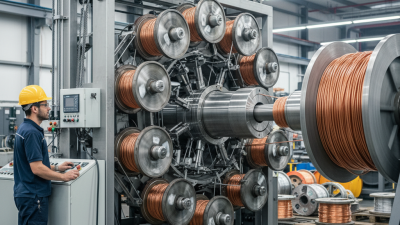
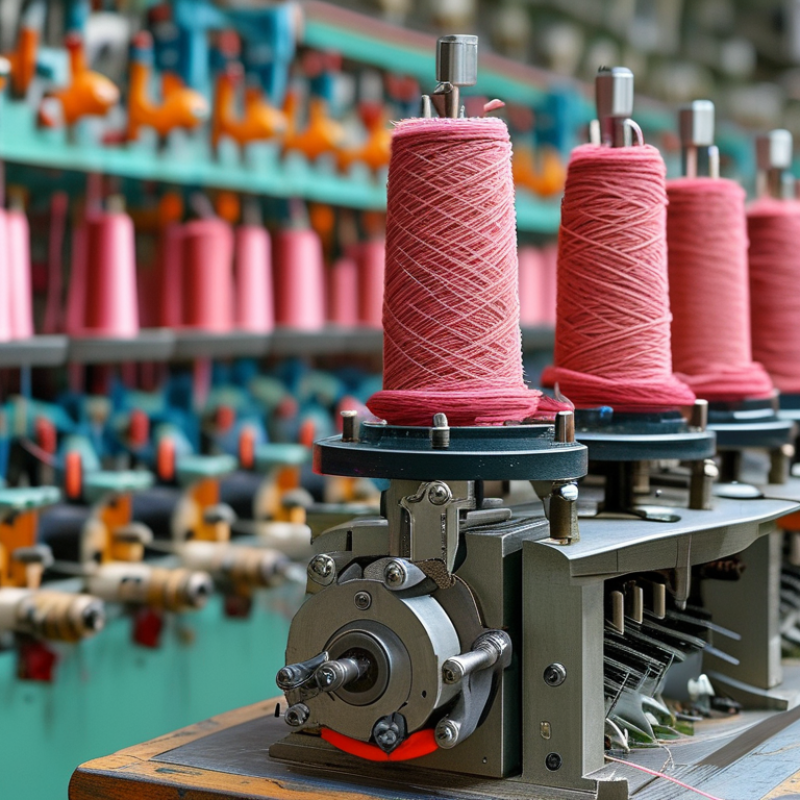
Double twist bunching machines play a crucial role in the wire and cable manufacturing industry. These machines enhance the production of high-quality, twisted cable products. The double twisting process minimizes twisting defects while increasing the cable's durability. According to industry reports, the global market for such machines is expected to grow significantly, driven by advancements in automation and increased demand for high-efficiency production lines.
Understanding the working mechanisms of double twist bunching machines is vital. They employ advanced technologies to ensure precision and consistency in twisting. Problems may arise from improper setup or misalignment, leading to subpar product quality. Regular maintenance and operator training can mitigate many of these issues. Keeping your machinery calibrated can greatly reduce defects.
**Tip:** Always inspect machine components regularly. Preventative maintenance can avoid costly downtimes and enhance overall performance.
The evolution of these machines is marked by innovations that improve efficiency. However, the complexity of newer models may pose challenges for operators. It's essential to provide adequate training. Operators must be well-versed in both the capabilities and limitations of the equipment they use. Continued education is key for maintaining productivity and ensuring quality standards are met.
**Tip:** Encourage teamwork when troubleshooting. Collaboration can lead to quicker problem resolution and shared learning experiences.
Top 10 Double Twist Bunching Machines - Performance Comparison
This chart illustrates the performance of the top 10 double twist bunching machines based on factors such as production speed (in meters per minute), power consumption (in kW), and versatility in handling different wire gauges. Each machine is assessed to offer potential buyers a comparative view of their functionalities.
Key Features of High-Quality Bunching Machines
When selecting a double twist bunching machine, buyers should look for several key features. First, look for a machine that offers adjustable speed settings. This flexibility can accommodate different materials and production rates. The ability to easily modify settings enhances efficiency and workflow. Additionally, some machines come with user-friendly touch screens. Such interfaces simplify operation and reduce training time for new operators.
Another important feature is the machine's capacity. A higher output capacity can significantly improve productivity. Machines with a robust build often have longer lifespans. Buyers should consider the materials used in construction. Stainless steel components can resist wear and corrosion. Ensure the machine allows for easy maintenance. Quick access to parts can save time during repairs.
Finally, automation features can further enhance performance. Some machines include sensors that detect operational issues. This technology helps avoid costly errors and downtime. However, these advanced systems can complicate maintenance. It's vital to balance automation benefits with potential drawbacks. Understanding these aspects will aid buyers in making informed decisions.
Top Manufacturers of Double Twist Bunching Machines
The demand for double twist bunching machines is rising globally. Manufacturers are innovating to meet the needs of various industries. According to the latest data from industry reports, the market for these machines is projected to grow by over 5% annually. This growth reflects the increasing need for precise wire and cable manufacturing.
Top manufacturers focus on refining their technology. Features such as programmable settings and enhanced speed are becoming standard. This advancement is vital for efficiency. The complexity of designs in modern applications requires adaptable machinery. However, quality control remains a challenge. Some machines struggle with consistent output, raising questions about reliability.
Expert insights indicate that emerging markets are driving changes. Players in Asia are investing heavily in advanced machinery. The focus is on reducing waste and improving product quality. Yet, many firms still grapple with the transition to automation. Balancing traditional craftsmanship with new technology poses a significant dilemma. The sector must find solutions that enhance productivity without compromising precision.
Comparison of Popular Models in the Market
When exploring double twist bunching machines, several models stand out in the market. These machines are critical for industries like wire and cable production. Each model offers unique features tailored to specific production needs. It's essential to consider the machine's speed, reliability, and ease of operation.
One popular feature among top models is automation. Automated machines tend to reduce labor costs and increase efficiency. However, some users report steep learning curves. Training is crucial to utilize these machines effectively. Moreover, maintenance cannot be neglected. Regular servicing ensures optimal performance and longevity.
Manufacturers often emphasize energy efficiency. Machines that consume less power can lead to significant savings over time. But it’s essential to assess whether the initial cost offsets potential long-term gains. Users should weigh these factors carefully when making purchasing decisions. The landscape of double twist bunching machines is constantly evolving, showcasing both innovation and challenges.
Maintenance and Support for Bunching Machines
Maintaining and supporting bunching machines is crucial for optimal performance. Regular maintenance keeps machines running efficiently. Routine checks can identify wear and tear before they become significant issues. Lack of maintenance may lead to unexpected breakdowns and costly repairs.
Operators should follow specific guidelines for their machines. Cleaning is vital after each use. Dust and debris can affect performance. Lubrication of moving parts is equally important. It minimizes friction and prolongs machine life. Documenting maintenance activities helps track the machine's condition and can aid in troubleshooting.
Training staff on proper operation is essential. Knowledgeable operators can quickly spot problems. Support from manufacturers can provide additional resources. However, some users may feel overwhelmed by technical jargon or complex manuals. Simplified guides and user-friendly videos can bridge this gap. Engaging with the community, like forums or user groups, can also provide valuable insights and solutions.