Top 10 Extrusion Line Machines for Global Buyers Insights
The extrusion line machine industry plays a crucial role in manufacturing processes worldwide. Experts often emphasize its significance in various sectors. John Smith, a renowned specialist in extrusion technologies, once remarked, “The right extrusion line machine can revolutionize production efficiency.”
The demand for extrusion line machines is constantly evolving. As global competition intensifies, manufacturers seek advanced solutions. Understanding the top machines available helps buyers make informed decisions. Methodologies and innovations continue to shift, presenting opportunities and challenges.
Despite improvements, not every extrusion line machine meets expectations. Some may not perform as advertised or lack crucial features. Continuous assessment of performance is necessary for growth. Balancing innovation and practicality is essential in this dynamic field.
Overview of Extrusion Line Machines in Global Markets
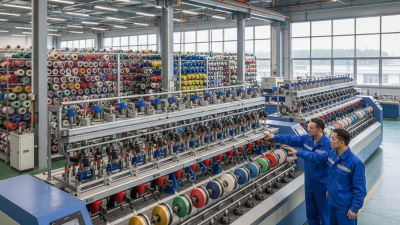
The extrusion line machines market is evolving rapidly. These machines are crucial for various industries, including food, plastics, and construction. Global buyers seek innovative solutions to improve efficiency. Factors influencing these markets include technological advancements and production demands.
In different regions, the approach to extrusion varies. For instance, Asia often leads in manufacturing volume. European markets focus more on sustainability and energy efficiency. Buyers need to understand these regional differences. Longevity and adaptability of machines also play a significant role in decision-making.
While many manufacturers claim to offer cutting-edge technology, it's crucial to assess their actual impact. Not all machines meet the promised standards. Buyers often need to navigate a landscape filled with varying quality levels. It's essential to do thorough research before investing. Understanding the nuances of different extrusion lines can lead to better decisions and ultimately, increased productivity.
Key Features to Consider When Selecting Extrusion Line Machines
When selecting extrusion line machines, key features play a crucial role. Understanding technical specifications is essential for efficiency. For example, energy consumption is pivotal. According to recent industry reports, up to 30% of production costs arise from energy use. A machine with optimal energy efficiency can lead to significant cost savings.
Moreover, the versatility of the machine is vital. Buyers need to evaluate whether the machine can handle various materials and products. Industry data indicates that multi-functional machines increase production capability by approximately 25%. This flexibility can be a game-changer for manufacturers aiming to adapt to market demands.
Lastly, the ease of maintenance should not be overlooked. A machine that is difficult to service can lead to prolonged downtime. Reports show that regular maintenance can extend machine life by 15-20%. Reflecting on these factors helps in making informed decisions, ensuring both reliability and productivity in extrusion processes.
Top Brands Leading the Extrusion Line Machinery Industry
The extrusion line machinery industry is a vibrant sector, showcasing remarkable advancements. Leading brands provide a mix of innovation and reliability. Their machines enhance efficiency for diverse manufacturing needs. Buyers across the globe seek effective, durable solutions. Extruders play a crucial role in shaping various materials.
Expertise in design and engineering is vital. Manufacturers invest in R&D to stay competitive. However, not all machinery guarantees flawless operation. Some users report issues with calibration and maintenance. Understanding these nuances is essential when selecting equipment. Industry leaders often provide comprehensive training and support. Yet, the effectiveness of this training can vary.
Sustainability is an emerging focus within the industry. Brands are exploring eco-friendly materials and processes. The pressure to meet environmental standards is increasing. Buyers must evaluate a machine's ecological impact. Prioritizing sustainability can lead to long-term benefits. It's a complex balancing act with many factors at play. Each decision can significantly shape production efficiency and environmental responsibility.
Recent Innovations Shaping the Future of Extrusion Technology
Recent innovations in extrusion technology are transforming the manufacturing landscape. By introducing advanced materials and efficient processes, manufacturers can improve productivity.
Technologies such as twin-screw extruders are gaining traction due to their versatility and efficiency in handling complex formulations. These innovations lead to smarter production lines, capable of operating with fewer resources.
Tips: Always stay updated on trends. Attend industry conferences or webinars. Networking often leads to new insights.
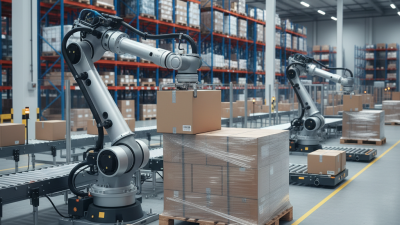
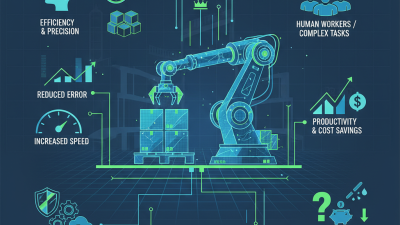
Another exciting development is the integration of automation.
Automated extrusion lines reduce labor costs and enhance precision. However, companies must invest in employee training. A machine can't replace human creativity and problem-solving skills. Balancing automation with skilled labor is essential for long-term success.
Tips: Encourage continuous learning among staff. This keeps the team adaptable and innovative. Regular training sessions can minimize resistance to change.
In the quest for sustainability, bioplastics play a significant role. Extrusion technology adapts to process these eco-friendly materials effectively. Yet, companies must be prepared for challenges.
Sourcing sustainable raw materials can be complex and costly. Careful planning is necessary for smooth operations in this evolving market.
Buyer Insights: Best Practices for Selecting Extrusion Machinery
Selecting the right extrusion machinery is crucial for manufacturers. It directly affects production efficiency and profit margins.
Start by assessing your production needs. Consider the materials you'll be using. Compatibility with your chosen materials is essential.
Next, evaluate your production volume. Small operations may benefit from more compact machines. Larger producers often require heavy-duty models.
Don't overlook energy efficiency. Machines that consume less power can significantly reduce costs over time.
It's also important to consider technologies available. Advanced features may improve precision and reduce waste.
However, they can come with higher initial investment costs. Understanding the long-term benefits is key. Transparency from suppliers matters too.
Always seek reliable information and customer reviews. This can help steer clear of machines that do not deliver as promised.