Top Palletizing Robot Applications for Global Buyers?
In today's fast-paced manufacturing landscape, palletizing robot applications are transforming operational efficiency. Industry expert Dr. Ethan R. Smith, a leading figure in automation technologies, states, "The future of manufacturing is driven by smart, flexible palletizing solutions." His insight highlights the growing reliance on automation in various sectors.
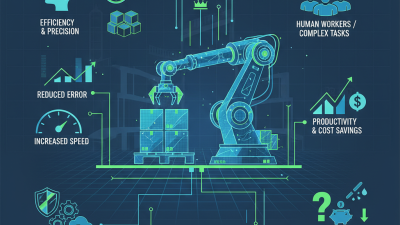
Palletizing robots help streamline production lines. They reduce labor costs and enhance precision in packaging processes. These robots perform repetitive tasks with speed and accuracy, significantly improving throughput. However, while automation brings many advantages, companies must also consider potential challenges. For instance, integration with existing systems can be complex. Regular maintenance of these robots is crucial for optimal performance.
Investing in palletizing robot applications is not without risks. Businesses need to assess their specific requirements carefully. Customization may be necessary to fully leverage the technology. Balancing automation with human oversight remains essential to ensure a smooth transition and sustained productivity. Overall, the evolution of palletizing robots reflects a broader trend in industrial operations toward greater efficiency and adaptability.

Overview of Palletizing Robots and Their Importance in Automation
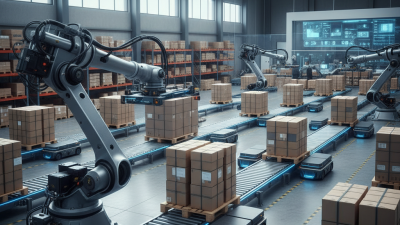
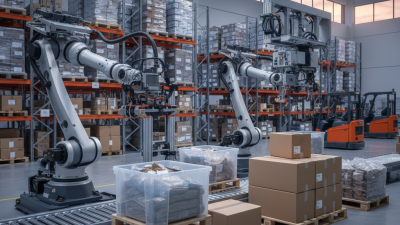
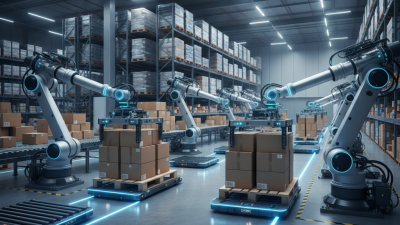
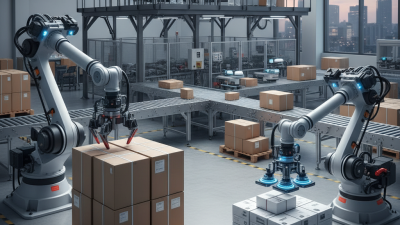
Palletizing robots play a vital role in modern automation processes. These machines streamline the packaging and stacking of products onto pallets for shipping and storage. In busy warehouses, efficiency is crucial. Every second counts, and palletizing robots significantly reduce labor costs. They perform repetitive tasks precisely and consistently, which minimizes errors. As a result, companies can optimize workflow and focus on other essential operations.
Automation in palletizing is not without its challenges. Implementing robotic solutions requires careful planning and integration. Many companies may struggle with the initial investment and training necessary for their teams. It’s essential to ensure that the robots can seamlessly connect with existing systems. This is where expert knowledge comes into play. Proper configuration and ongoing maintenance are critical to success, yet often overlooked.
The demand for palletizing robots continues to rise as supply chains evolve. Scalability is a major factor that influences decisions. However, buyers must consider not only current needs but also future growth. As products change, so do palletizing requirements. Therefore, continuous assessment becomes necessary. The growing importance of palletizing robots highlights that businesses must adapt to stay competitive.
Common Industries Utilizing Palletizing Robots for Enhanced Efficiency
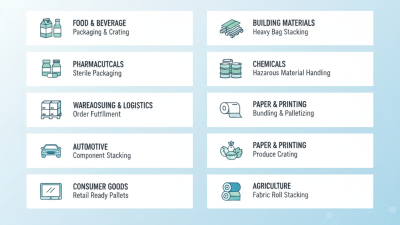
Palletizing robots are revolutionizing various industries. They improve efficiency in sectors such as food and beverage, consumer goods, and pharmaceuticals. These robots handle repetitive tasks, allowing workers to focus on more complex activities. This shift not only enhances productivity but also reduces workplace injuries.
In the food and beverage industry, robots ensure consistent packing speed. They can stack items neatly, minimizing damage. For consumer goods, the demand for quick and flexible solutions is rising. Palletizing robots adapt to different product sizes and shapes, increasing versatility. In pharmaceuticals, precision is key. Robots ensure that each package meets strict standards, boosting reliability.
Though these technologies offer many benefits, some challenges remain. Not all firms can afford automation upfront. Space constraints might also limit implementation. Training is essential for effective use. While robots perform many tasks, human oversight is still necessary to navigate complexities. Balancing technology and human involvement is crucial for optimal efficiency.
Key Features and Technologies in Advanced Palletizing Robots
Palletizing robots are transforming the logistics landscape. The latest research indicates that the demand for these robots is expected to increase by 20% annually. This surge is fueled by their efficiency and adaptability across various industries. Advanced models are now equipped with sophisticated vision systems and AI algorithms. These features enable the robots to recognize different product sizes and adjust their operations accordingly.
One of the key components of modern palletizing robots is their ability to handle diverse loads. High payload capacities, typically ranging from 50 kg to over 1,000 kg, are increasingly common. New models are often designed with modular components. This allows for swift upgrades and customizations to meet specific operational needs. However, not all facilities are prepared for such advanced technology. Integration challenges and the need for updated training for staff can hinder progress.
In addition to physical capabilities, software advancements play a critical role. Many robots now utilize predictive maintenance software. This reduces downtime and enhances overall reliability. Yet, companies must also consider the cybersecurity implications. As these robots become interconnected, they may become vulnerable to cyber threats. Addressing this concern requires ongoing risk assessments and robust security measures. Balancing innovation with safety is essential as the industry evolves.
Top Palletizing Robot Suppliers and Their Global Market Reach
Palletizing robots are essential in industries like food and beverage, pharmaceuticals, and consumer goods. Their efficiency enhances productivity. Various suppliers offer unique solutions across the global market. The reach of these companies varies, catering to different regional needs.
Tips: Research your specific industry requirements before selecting a supplier. Different sectors may need tailored solutions. Connect with local distributors for insights into regional market dynamics.
Some suppliers focus on automation and precision, while others emphasize flexibility. Choosing a supplier can be challenging. It’s vital to evaluate their technological capabilities and after-sales support. Ask about their experience with similar applications. Case studies can offer valuable insights into a supplier's effectiveness.
Tips: Don’t overlook user reviews. They provide practical assessments of the robots' performance. Collaborate with suppliers to customize solutions that fit your operational needs.
Top Palletizing Robot Applications and Market Reach
Future Trends and Innovations in Palletizing Robot Applications
Palletizing robots have rapidly evolved, driven by innovations in technology and rising global demand. As industries automate, the need for efficient material handling solutions grows. Recent advancements include AI integration and enhanced sensors. These technologies allow robots to adapt to various products and environments. The result is a significant increase in flexibility and productivity.
Another trend is the collaboration between robots and human workers. Cobots, or collaborative robots, are now common in palletizing applications. They work alongside humans, taking on repetitive tasks. This allows workers to focus on more complex activities. The balance between automation and human intervention is crucial. While efficiency is essential, there is a risk of over-reliance on machines.
Additionally, sustainability is becoming a priority. Companies are looking for greener operations. Palletizing solutions that reduce waste and energy consumption are in demand. Innovations in materials and processes help address these concerns. However, transitioning to sustainable practices can be challenging. Organizations may face initial costs and resistance to change. Embracing these trends is vital for future success. Adaptation will require ongoing evaluation and learning.