Top Features of Automatic Plastic Wrapping Machines for Efficient Packaging?
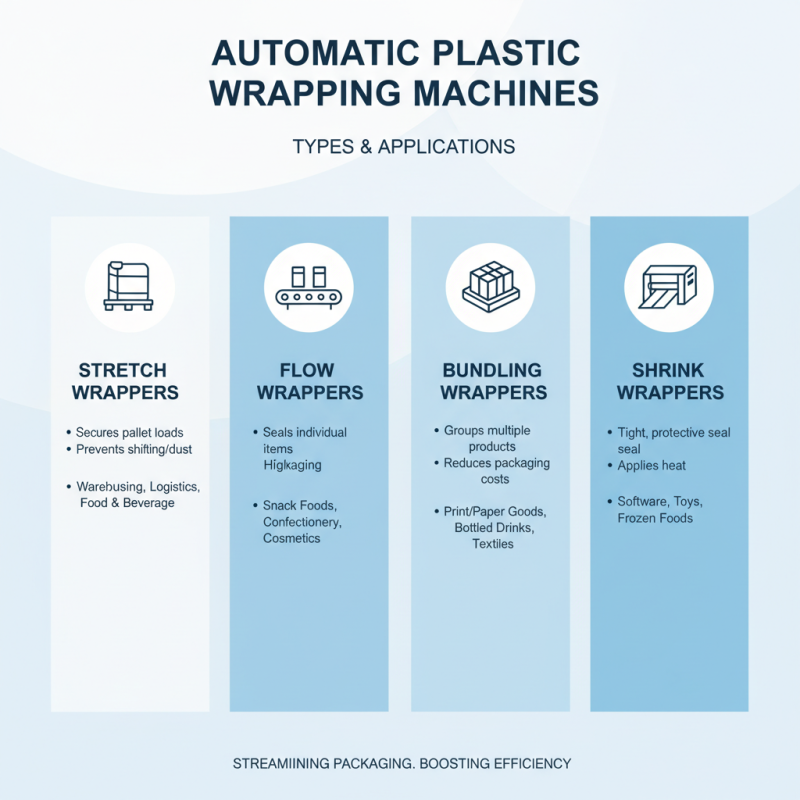
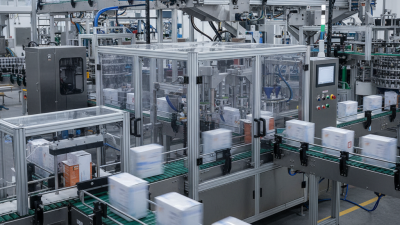
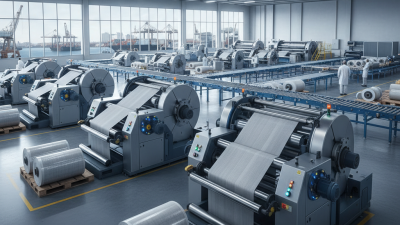
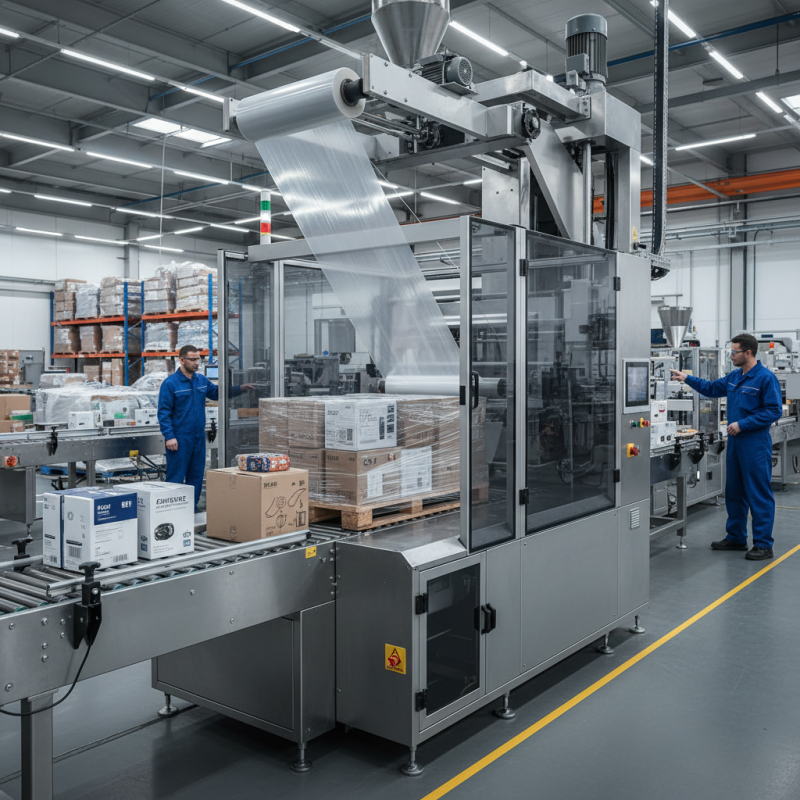
In the fast-paced world of packaging, the Automatic Plastic Wrapping Machine has become essential. These machines streamline the packing process, drastically reducing human labor. Companies can wrap goods efficiently, enhancing productivity and minimizing packaging costs. The durability of plastic wrapping ensures products remain safe during transport.
Many industries now rely on these machines for their packaging needs. The versatility of an Automatic Plastic Wrapping Machine allows it to meet various requirements, from food to electronics. This adaptability is vital as businesses seek to maintain competitiveness.
Despite the advances in technology, some challenges remain. Machine malfunctions can disrupt productivity. Understanding the features and maintenance of these machines is crucial. Proper training for operators can mitigate risks and optimize performance. Embracing technology while addressing potential issues fosters reliability in the packaging process.
Key Benefits of Using Automatic Plastic Wrapping Machines in Packaging
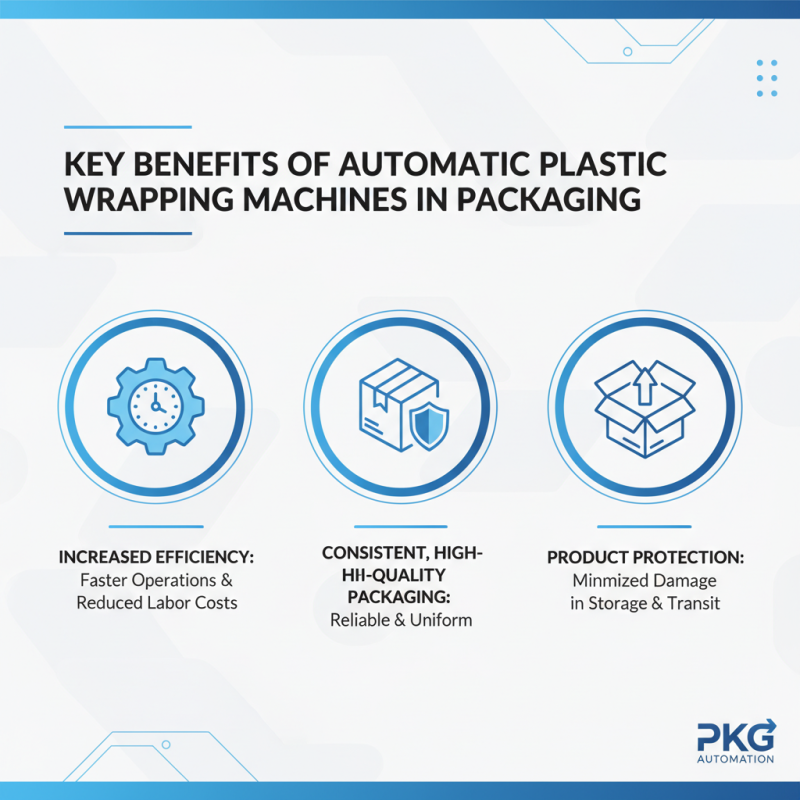
Automatic plastic wrapping machines have transformed packaging processes across various industries. These machines enhance efficiency by speeding up operations and reducing labor costs. Companies benefit from consistent, high-quality packaging. This reliability ensures that products are protected during storage and transit, minimizing damage.
Another key benefit is the reduction of material waste. Many of these machines use precise wrapping techniques, which decreases excess plastic use. This not only saves costs but also helps the environment. However, it's essential to choose machines that are versatile to adapt to different product shapes and sizes. An inconsistency in wrapping can lead to inefficiencies and customer dissatisfaction.
Despite the advantages, there are potential drawbacks. Maintenance is crucial for ensuring optimal performance. Some operators may require training to handle advanced features effectively. Continuous monitoring is necessary to catch any issues early. Overall, while automatic plastic wrapping machines offer significant benefits, their success hinges on proper training and upkeep.
Essential Features for Efficiency in Automatic Plastic Wrapping Machines
In the competitive world of packaging, automatic plastic wrapping machines stand out for their efficiency. One essential feature is speed. According to industry reports, these machines can wrap up to 30 packs per minute. This high throughput reduces labor costs and increases overall productivity. Automation also minimizes human error, leading to a higher precision in packaging.
Another critical aspect is adaptability. Many wrapping machines can handle various products and sizes. This flexibility allows businesses to respond quickly to market changes. Moreover, energy efficiency is increasingly important. Some models now use up to 25% less energy than older versions. This shift not only cuts costs but also reduces the carbon footprint of operations.
Tips: Regular maintenance improves machine longevity. Schedule routine checks to avoid disruptions. Don’t overlook the need for staff training. Properly trained operators can significantly enhance efficiency and safety. Investing in the right technology can make all the difference. Ensure your machine meets the latest industry standards for optimal performance.
Top Features of Automatic Plastic Wrapping Machines for Efficient Packaging
| Feature |
Description |
Benefits |
| Automatic Film Advance |
Automatically feeds film for consistent wrapped finish. |
Reduces labor costs and increases speed of packaging. |
| Adjustable Wrap Tension |
Allows operator to set the tension for different products. |
Ensures optimal wrapping without damaging the product. |
| User-Friendly Controls |
Simple interface for easy operation and programming. |
Minimizes training time and increases productivity. |
| Safety Features |
Emergency stop buttons and safety guards. |
Protects operators during operation and maintenance. |
| Compact Design |
Space-saving setup suitable for various environments. |
Improves facility layout and efficiency. |
| Versatile Product Handling |
Can wrap a variety of products in different shapes and sizes. |
Increases the range of products that can be packaged. |
Best Practices for Maintaining Automatic Plastic Wrapping Machines
Maintaining automatic plastic wrapping machines is crucial for ensuring packaging efficiency. Regular inspections can prevent unexpected breakdowns. According to a report from the Packaging Machinery Manufacturers Institute, nearly 20% of machine downtime is due to lack of preventive maintenance. This points to the importance of a structured maintenance schedule.
Operators should frequently check components such as film tension, heat seals, and conveyor belts. Keeping these parts in optimal condition helps maintain consistent output. Using the right type of film is another essential practice. Not all films are suitable for every machine, leading to inefficient wrapping and waste. A performance analysis can reveal if the chosen material is meeting the production demands.
Training staff is equally important. Well-informed operators can quickly identify issues, reducing downtime. A study by the International Society of Automation noted that 30% of machine-related problems could be traced back to operator error. It emphasizes the need for continuous education in packaging technology. Regular training sessions can enhance skills and address operational gaps that may arise as machines evolve.
Future Trends in Automatic Plastic Wrapping Technology for Packaging
The future of automatic plastic wrapping technology is evolving rapidly. As businesses seek high efficiency, innovations are emerging. According to a recent study by the Packaging Machinery Manufacturers Institute (PMMI), the demand for automated systems is expected to grow by 30% by 2025. These machines offer more than just speed; they enhance precision and reduce material waste, contributing to greener packaging solutions.
Recent advancements include integration with artificial intelligence. With AI, machines can analyze packaging data in real-time. This capability can lead to optimized wrapping patterns and material usage. The Global Automation Report highlights that companies adopting AI in packaging experience a 20% reduction in operational costs. Yet, reliance on technology isn't without challenges. Complex setups can lead to occasional malfunctions, requiring skilled technicians for resolutions. This is an ongoing concern in the industry.
Sustainability is another critical aspect of future trends. Demand for biodegradable wraps is rising. Studies show that 70% of consumers prefer brands using eco-friendly packaging. As these preferences shift, manufacturers need to adapt quickly. Implementing new materials can be resource-intensive and may not offer the same durability as traditional options, leading to a need for careful evaluation. Balancing innovation and reliability remains a key reflection point in this fast-changing landscape.