Top 10 Benefits of Robotic Palletisers for Global Buyers?
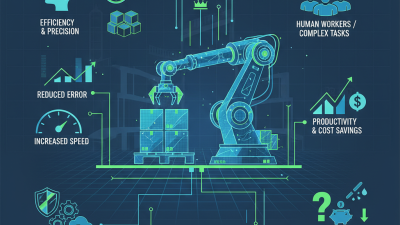
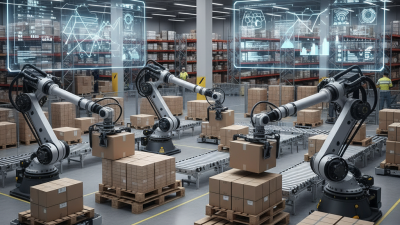
In today's fast-paced manufacturing world, "Robotic Palletisers" are transforming how companies handle goods. According to Dr. Lisa Reynolds, an expert in automation technologies, “The efficiency and precision of robotic palletisers are changing the logistics landscape.” Her insights highlight the importance of these machines in modern industries.
Robotic palletisers automate the process of stacking goods. This innovation leads to increased efficiency and reduced labor costs. Global buyers are recognizing these advantages, particularly in sectors like food and beverage, pharmaceuticals, and consumer goods. Companies aim to maximize productivity while maintaining high standards of quality.
Despite the benefits, integrating robotic palletisers can pose challenges. Initial costs can be significant. Organizations must also invest in training. Some may question whether the transition is worth it in the long run. However, the potential for improved reliability and speed makes robotic palletisers an attractive option for many industries.
Top Benefits of Robotic Palletisers: An Overview
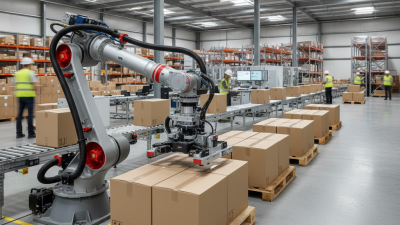
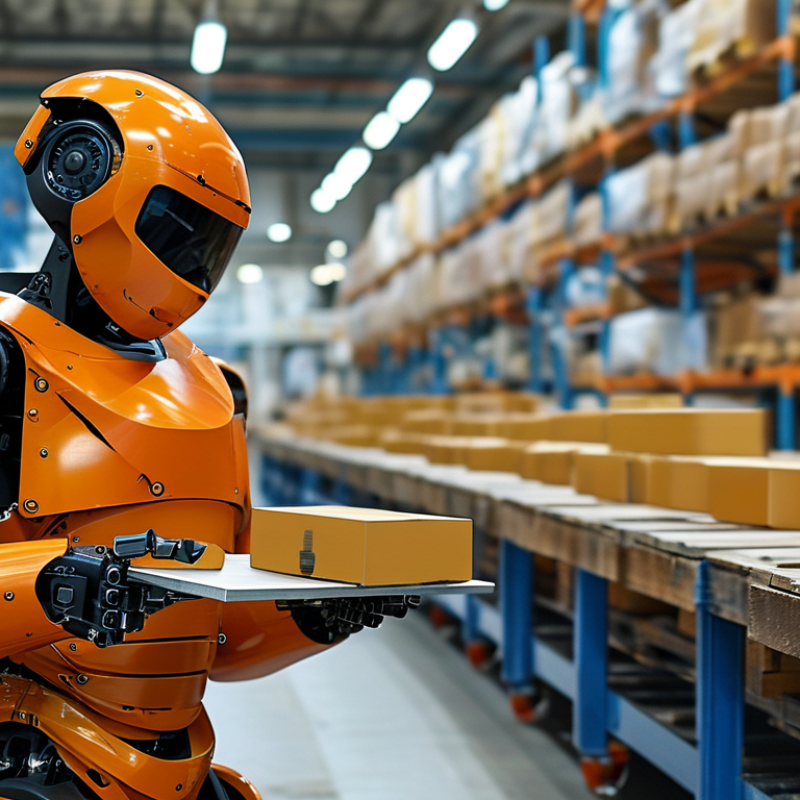
Robotic palletisers are revolutionising the logistics industry. They provide significant benefits for global buyers seeking efficiency and cost-effectiveness. One major advantage is the increased speed of operations. A robotic palletiser can handle thousands of items per hour, far exceeding manual labour capabilities. This speed allows businesses to meet growing demands without increasing workforce costs.
Another benefit is improved accuracy. Robots can reduce errors in palletising, minimising product damage and ensuring that items are stacked correctly. Consistent performance is another strong point; robots work continuously without fatigue. This reliability leads to fewer disruptions in production.
Tip: Regular maintenance is crucial for optimal performance. Occasionally check the robotic systems to avoid unexpected breakdowns.
Robotic palletisers also enhance workplace safety. By taking over heavy lifting, they reduce the risk of injuries among workers. Still, it’s important to train staff on how to work alongside robotics. Understanding their functionality can help integrate these machines smoothly into existing processes.
Tip: Always engage employees in the implementation process. Their insights can lead to better adoption strategies.
Though the benefits are clear, businesses should assess their unique needs before investing. Factors such as product variability and facility layout can impact effectiveness. Careful evaluation ensures these technologies meet specific operational goals.
Increased Efficiency in Warehouse Operations
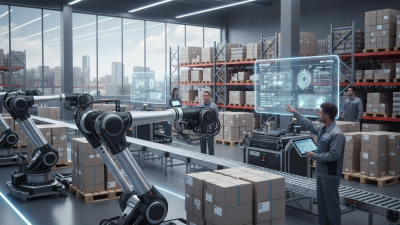
In today's fast-paced logistics world, robotic palletisers are becoming essential for enhancing efficiency. According to a report from Logistics Management, automation in warehouses can boost productivity by up to 30%. Robotic systems are designed to handle repetitive tasks with precision. This allows human workers to focus on more complex and strategic activities. For instance, a typical robotic palletiser can complete a pallet build in under one minute, significantly cutting down operational time.
Warehouse operations are often marred by human errors, which can lead to delays. A study by the International Journal of Advanced Manufacturing Technology states that automation can reduce errors by over 70%. Robotic palletisers work tirelessly without fatigue, ensuring consistency in stacking and minimizing product damage. This reliability is crucial for maintaining inventory integrity.
However, there are challenges to consider. Transitioning to robotic systems requires upfront investment and training. Additionally, not all products are suited for automation, especially irregularly shaped items. It’s essential for businesses to assess their specific needs before making this leap. Flexibility and adaptability in operations remain critical in integrating such advanced technologies.
Reduction in Labor Costs and Workforce Requirements
In many industries, robotic palletizers are changing the way businesses operate. A key advantage is the significant reduction in labor costs. By automating the palletizing process, companies can minimize their reliance on manual labor. This can lead to substantial savings, particularly in sectors where labor costs are high.
The transition to robotic systems does not come without challenges. Initial investments in automation technology can be daunting. However, the long-term benefits often outweigh these upfront costs. Companies can also face a learning curve as employees adjust to new technologies. Still, the reduction in workforce requirements allows businesses to redeploy staff to more strategic tasks, enhancing overall productivity.
Robotic palletizers bring efficiency and precision to the logistics chain. They handle varying sizes and weights of products, adapting easily to different packaging needs. This flexibility can be a game changer in environments with high product turnover. Businesses must consider the balance between tech and human input for successful integration. With careful planning, the benefits of robotic palletizers can be transformative.
Enhanced Safety and Reduction of Workplace Injuries
Robotic palletisers are transforming workplace safety standards. With their ability to handle heavy loads, these machines significantly reduce the risk of injuries. Manual handling often leads to strains and accidents. The use of robotic systems minimizes human involvement in high-risk tasks.
Implementing robotic palletisers enhances not only safety but also efficiency. Workers can then focus on more critical operations. This shift can lead to increased productivity and job satisfaction. However, training staff is essential. Proper education on how to interact with these machines is crucial.
Consider the layout. A well-organized space where robotic palletisers operate can reduce hazards. Ensure all pathways are clear and well-lit. Regular maintenance of machines is also vital. An efficient robotic system must function properly to uphold safety. Frequent inspections can prevent malfunctions that may endanger workers.
Top 10 Benefits of Robotic Palletisers for Global Buyers
Improved Product Handling and Packaging Consistency
Robotic palletisers offer significant advantages, especially in product handling and packaging consistency. In manufacturing, consistency is key. According to a report by the International Federation of Robotics, businesses using robotic automation experience a 30% reduction in packaging errors. This is crucial for maintaining product integrity and brand reputation.
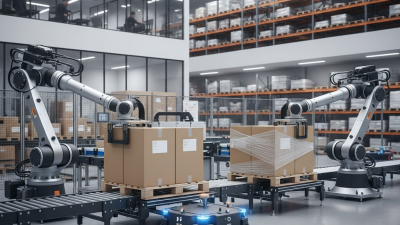
Automation ensures precise placement of products onto pallets, reducing the risk of damage during handling. The increased accuracy leads to fewer customer complaints and returns. A recent study noted that companies using robotic solutions improve production rates by 25%. This efficiency not only boosts revenue but also optimizes the supply chain.
Not all implementations go smoothly. Some companies encounter challenges during the transition from manual to robotic systems. Training staff and integrating new technology requires time and resources. Businesses must reflect on their processes. Are they prepared to adapt? The benefits are clear, but smooth implementation is vital for success. Investing in robotic palletisers can yield high rewards, but it's essential to consider the complexities involved.
Top 10 Benefits of Robotic Palletisers for Global Buyers
| Benefit |
Description |
Impact on Operations |
| Improved Efficiency |
Robotic palletisers operate faster than manual processes, increasing throughput. |
Higher production rates and reduced labor costs. |
| Enhanced Accuracy |
Automation eliminates human error in product placement and pallet construction. |
Reduced waste and improved product quality. |
| Consistent Quality |
Robotic systems provide uniformity in pallet patterns and stability. |
Improved handling during shipping and storage. |
| Space Efficiency |
Robotic palletisers can operate in smaller footprints compared to traditional methods. |
More effective use of floor space in production areas. |
| Worker Safety |
Robotics reduces the physical demand on workers, minimizing injury risks. |
Lower accident rates and improved employee morale. |
| Flexibility |
Robotic palletisers can be easily reprogrammed for different products. |
Adaptable to changing production requirements. |
| Lower Operating Costs |
Long-term savings from reduced labor and material waste. |
Increased profit margins over time. |
| Integration with IoT |
Modern robotic systems can connect with IoT for data analytics. |
Improved decision-making and process optimization. |
| Scalability |
As demand grows, robotic systems can be scaled easily. |
Supports growth without extensive new investments. |
| Environmental Benefits |
Energy-efficient models reduce overall energy consumption. |
Minimized environmental footprint of operations. |
Conclusion
Robotic palletisers offer a range of benefits that significantly enhance operational efficiency for global buyers. By automating the palletising process, these systems streamline warehouse operations, leading to increased productivity. The reduction in labor costs and workforce requirements allows companies to allocate resources more effectively, while also minimizing the risks associated with manual handling, thereby enhancing workplace safety and reducing injury rates.
Additionally, robotic palletisers provide improved product handling and packaging consistency, ensuring that goods are stacked securely and uniformly. Their scalability and adaptability make them suitable for diverse industries, enabling businesses to easily adjust their operations based on demand fluctuations. Overall, the integration of robotic palletisers in warehouse settings represents a strategic investment for companies looking to optimize their logistics and supply chain processes.