How to Choose the Best Hdpe Extrusion Line for Your Business?
Choosing the best HDPE extrusion line for your business can be challenging. As industry expert John Smith states, "Investing in the right extrusion line is crucial for efficiency and product quality." This choice impacts production output and operational costs.
Many businesses overlook key factors when selecting an HDPE extrusion line. It's not just about the price or brand reputation. Technical specifications, support services, and scalability must also be evaluated. Each company has unique needs. What works for one may not suit another.
Moreover, the technology within HDPE extrusion lines is rapidly evolving. Keeping pace with advancements requires continuous learning and adaptation. Some companies may rush this decision, potentially leading to regrets. Reflecting on individual requirements can guide a more informed choice.
Understanding HDPE Extrusion Lines and Their Importance
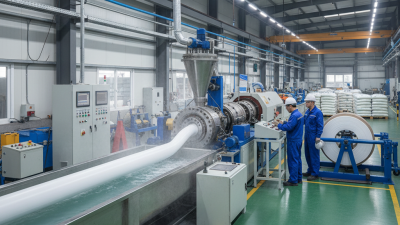
Understanding HDPE extrusion lines is essential for businesses looking to produce high-quality plastic products. These lines are critical in transforming high-density polyethylene into usable forms. HDPE is known for its strength, durability, and resistance to impact and chemicals. Businesses can create a variety of products, from pipes to containers, using these versatile machines.
Selecting the right HDPE extrusion line requires a careful evaluation of several factors. Companies must consider their production volume, the types of products they wish to manufacture, and the associated costs. Many businesses overlook the importance of equipment compatibility and training. Investing in a high-quality extrusion line is necessary, but it is also crucial to invest in employee skills. Often, a skilled workforce can significantly impact production efficiency and product quality.
Further complicating the decision is the evolving nature of technology. New innovations frequently emerge in HDPE processing, and keeping up with them is vital. Businesses may find themselves at a disadvantage if they do not regularly assess their machinery and processes. Understanding industry trends can lead to improvements and may reveal inefficiencies in existing operations.
Key Factors to Consider When Selecting an HDPE Extrusion Line
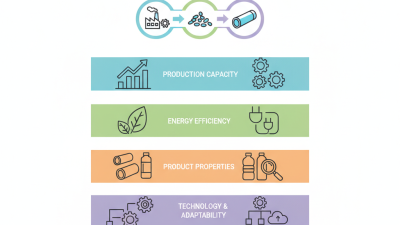
When selecting an HDPE extrusion line, several key factors are pivotal. The production capacity is essential. A recent industry report showed that extrusion lines vary broadly, with capacities ranging from 100 kg/h to 1,000 kg/h. Understanding your business needs is crucial. Overestimating capacity can lead to wasted resources, while underestimating can hinder growth.
Material quality is another critical aspect. The extrusion process highly depends on the integrity of the HDPE resin used. Choosing high-quality materials can significantly impact product strength and durability. It has been estimated that around 30% of production issues stem from poor material selection. Companies must ensure robust supplier relationships to maintain standards.
Cost is often a pressing concern. The initial investment can be daunting, but consider long-term returns. A survey by the Plastics Industry Association indicated that businesses prioritizing efficient machinery see a 15-20% increase in productivity over five years. Additionally, maintenance costs can escalate if the right technology isn’t chosen. Balancing upfront costs and future operational efficiency is vital for optimal financial health.
Analyzing Production Capacity and Performance Requirements
When selecting an HDPE extrusion line, understanding production capacity and performance is crucial. Reports suggest that the average output of HDPE extrusion lines ranges between 200 to 800 kg per hour, depending on the equipment's configuration. Businesses need to assess their demand closely. If there is an inclination towards high-volume production, opting for a system that supports maximum throughput is essential.
Performance metrics, such as melt temperature and pressure, significantly impact product quality. The optimal melt temperature for HDPE typically lies between 180°C and 220°C. Failure to maintain this can lead to inconsistent product characteristics. Furthermore, tools that provide real-time monitoring can enhance efficiency. However, implementing advanced technology also requires a level of investment that may not align with every business's budget.
Data from industry studies show that modern extrusion lines equipped with automation can reduce waste by up to 30%. Yet, integrating such systems might pose challenges for smaller operators who are less familiar with technology. It's important to reflect on the balance between advanced capabilities and operational know-how. Selecting the right extrusion line should involve a careful evaluation of specific production needs and existing competencies.
Budgeting: Costs Involved in Acquiring an HDPE Extrusion Line
When budgeting for an HDPE extrusion line, several costs must be considered. The purchase price is just the beginning. Installation expenses often catch many businesses off guard. Hiring professionals ensures the line operates efficiently. However, remember that costs can vary widely. Research average installation fees in your area to avoid surprises.
Maintenance is another crucial factor. Regular upkeep ensures your equipment functions well, reducing downtime. You might need spare parts over time, presenting another expense. Additionally, training staff to use the equipment effectively is vital. Underestimating these training costs can lead to inefficiencies down the line.
Don't overlook operational costs. Energy consumption can be significant, impacting overall profitability. Analyze the energy requirements of your chosen line. Factor in labor costs too. Skilled operators are essential for maximizing output and ensuring quality. It’s wise to consider these factors meticulously. A comprehensive budget will lead to better decision-making and smoother operations in the long run.
Budgeting: Costs Involved in Acquiring an HDPE Extrusion Line
This bar chart illustrates the estimated costs involved in acquiring an HDPE extrusion line, broken down into different components.
Evaluating Supplier Reputation and Customer Support Services
When selecting an HDPE extrusion line for your business, supplier reputation is critical. A trustworthy supplier will have a proven track record. Look for testimonials from other businesses. Quality feedback can reveal much about the supplier’s reliability. Research their history in the industry. Experience often correlates with better service and product quality.
Customer support should not be overlooked. Evaluate their response times during inquiries. Quick responses indicate a commitment to customer satisfaction. Ask about after-sales support and training programs. Suppliers that offer comprehensive support tend to be more reliable. Consider how they handle issues and complaints. A supplier's willingness to solve problems can save your business time and money.
Don't just look at the price. Cheaper options may come with hidden costs. Assess the overall value, including the support offered. A strong partnership can lead to long-term success. Future technical support can significantly reduce downtime. Take the time to evaluate all these factors carefully. Your decision should reflect your business needs and goals.