How to Choose the Best Robotic Case Palletizing System?
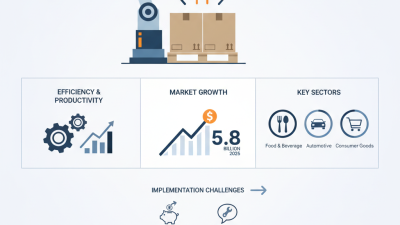
In today's fast-paced manufacturing environment, Robotic Case Palletizing systems are more crucial than ever. According to a recent report by MarketsandMarkets, the market for robotic palletizing is expected to reach $4.25 billion by 2025. This growth highlights the demand for efficiency and reliability in palletizing processes. Companies are increasingly turning to automation to streamline operations and reduce labor costs.
Choosing the right Robotic Case Palletizing system can be daunting. Different systems offer various features and capabilities. For instance, some systems focus on maximizing speed, while others emphasize flexibility. The right choice can significantly impact operational efficiency and productivity. Moreover, industry surveys reveal that nearly 70% of companies report improved workflow after implementing robotic systems.
However, even as technology advances, not all robotic systems are created equal. Companies must evaluate their unique needs and the specific tasks they need to automate. Some systems may struggle with complex product shapes or fragile cases. It's essential to consider these factors to avoid costly mistakes. Thoughtful analysis and research can lead to informed decisions in selecting a robotic solution that truly fits the organization’s needs.
Understanding the Basics of Robotic Case Palletizing Systems
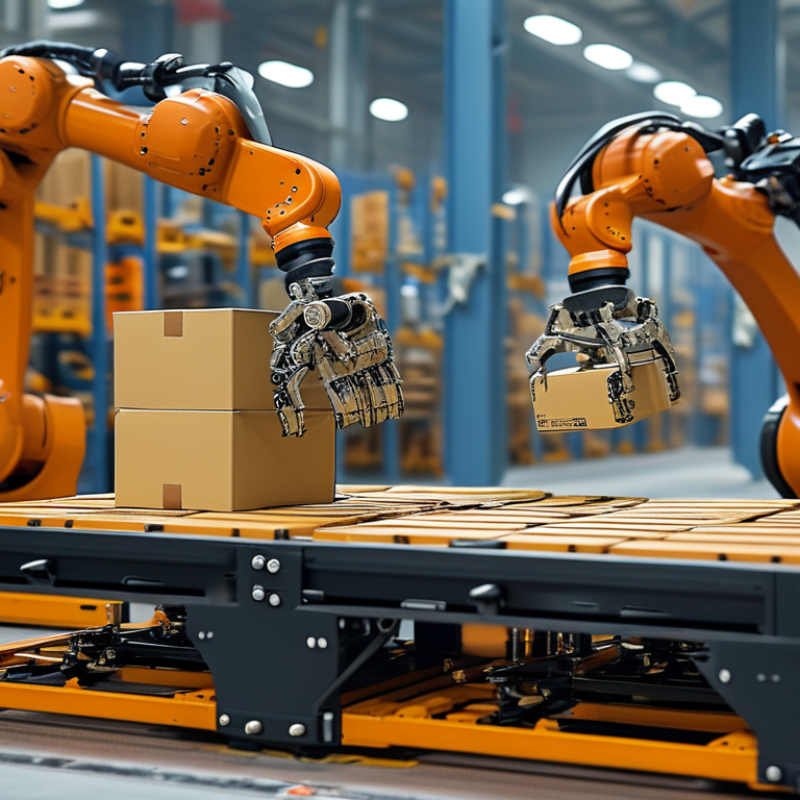
When considering robotic case palletizing systems, it is essential to grasp their fundamental aspects. These systems automate the process of stacking products onto pallets, enhancing efficiency and reducing manual labor. They are crucial in industries like food and beverage, consumer goods, and pharmaceuticals. With precise motion control, these robots can handle various case sizes and weights, adapting to different product lines.
However, not all robotic case palletizing systems are created equal. Factors such as payload capacity, speed, and flexibility play a significant role in choosing the right one. Understand the layout of your production area. Space constraints can limit the type of system you can implement. Also, consider the integration of these systems with existing machinery. Poor integration can lead to workflow disruptions and inefficiencies.
There is an element of trial and error in selecting the appropriate system. Businesses might invest in technology that doesn't quite fit their needs. Regular assessments of performance metrics may indicate where adjustments are necessary. A thorough understanding of robot kinematics and the impact of product variance can lead to better decision-making. Focusing on continuous improvement is vital for maximizing the benefits of robotic palletizing systems.
Comparison of Robotic Case Palletizing Systems by Throughput (cases/hour)
Key Features to Consider When Choosing a Robotic Palletizer
Choosing a robotic case palletizing system is crucial for operational efficiency. Consider the payload capacity carefully. A system must handle your typical case weights without strain. Look for flexibility in product handling. An ideal palletizer can adapt to different box shapes and sizes. Different tasks require different tooling. The ability to switch end-effectors easily is a big advantage.
Another key feature to examine is speed. The right system should meet or exceed your production requirements. In high-demand settings, faster speeds can lead to significant gains. Pay attention to ease of integration. The system should work seamlessly with existing machinery. Complex setups can lead to costly downtime and require more training. Safety is paramount; ensure safety features are robust.
Do not overlook the importance of software. Intelligent controls can optimize performance in real-time. Advanced systems offer predictive maintenance alerts. This can prevent unexpected breakdowns. Caution is necessary; more complex systems may require expertise. Have a plan for training operators. Understand the potential costs involved. Balancing features with your budget demands thorough research.
How to Choose the Best Robotic Case Palletizing System? - Key Features to Consider When Choosing a Robotic Palletizer
| Feature |
Description |
Importance |
Considerations |
| Payload Capacity |
The maximum weight the robot can handle. |
High |
Ensure it meets your typical load requirements. |
| Speed |
The rate at which the robot can perform palletizing tasks. |
Medium |
Evaluate how speed affects overall line efficiency. |
| Footprint |
The physical space required for the robot and its operations. |
Medium |
Consider your facility's layout and space constraints. |
| End Effector Design |
The type of gripper or tool used to pick and place items. |
High |
Choose one that accommodates the variety of cases. |
| Flexibility |
The robot's ability to handle different products and pallet patterns. |
High |
Consider future product changes and variations. |
| Ease of Integration |
How easily the robot can be integrated into existing systems. |
Medium |
Check compatibility with current software and hardware. |
| Safety Features |
Built-in safety protocols to protect operators and equipment. |
High |
Verify compliance with industry safety standards. |
| Maintenance Requirements |
Frequency and complexity of required maintenance. |
Medium |
Look for systems with minimal downtime and easy servicing. |
Evaluating Different Types of Robotic Palletizing Technologies
When evaluating different types of robotic palletizing technologies, it's essential to consider your specific needs. There are various options available. Each type serves distinct applications, from handling irregular shapes to standard boxes. Understanding the products being handled will influence your choice. For instance, delicate items may require softer grippers, while heavier loads need robust support.
Another key factor is the system's flexibility. Some robotic palletizers excel in high-speed operations, while others are better for slower, more intricate tasks. The versatility of the gripper can also affect efficiency. A tool with interchangeable heads might save time in configuring for different products. Always assess the ease of integration with existing systems.
You may want to reflect on the return on investment (ROI). The initial costs can be high. Will the system reduce labor costs in the long run? Investigate maintenance requirements and reliability. Frequent breakdowns can negate cost savings. Finally, consider the supplier's support and expertise. Choosing a partner with a strong track record can improve your confidence in the decision.
Assessing the Compatibility with Your Existing Production Line
When selecting a robotic case palletizing system, assessing compatibility with your existing production line is crucial.
Every production facility has unique layouts, workflows, and machinery.
The right palletizing system should seamlessly integrate into your setup. Before committing, evaluate your current equipment and processes.
Take measurements seriously; small discrepancies can lead to significant inefficiencies.
Consider the speed and capacity of your current line.
A robotic system that can't keep up or exceeds your needs will result in wasted resources.
Analyze how the new system will impact workflow. Will it create bottlenecks or alleviate them?
Think about potential adjustments needed for a smooth transition.
Even minor changes can be challenging.
Training staff to operate the new system is another aspect to ponder.
They may need to adjust to new protocols and software.
A system that fits perfectly on paper might still lead to frustration. Regular feedback from your team can identify areas for improvement.
Also, check for proper support and maintenance options.
Compatibility is not just about physical specs; it’s about creating a harmonious system that enhances productivity.
Cost-Benefit Analysis for Robotic Palletizing System Investment
Investing in a robotic case palletizing system can offer significant advantages.
A cost-benefit analysis is essential for understanding these benefits versus the initial investment.
According to industry reports, companies can expect a return on investment (ROI) of around 30% within the first year of implementation.
This figure highlights the potential savings from reduced labor costs and increased efficiency.
When evaluating options, consider the total cost of ownership.
This includes capital expenses, maintenance, and operational costs.
A study by the Association for Advancing Automation indicates that automated systems can lower labor expenses by approximately 50%.
Yet, automated solutions are not universally effective. Each facility's layout and product type can impact performance.
Tips: Analyze your production volume before choosing a system.
A higher output may justify the investment due to greater ROI potential.
It's also wise to consult with industry experts who can provide insights tailored to your specific needs.
Some businesses overlook the training costs for staff on new technology.
Ignoring this can lead to slower adoption and operational delays.
A thorough training program can mitigate this risk and enhance overall productivity.
Therefore, conducting a rigorous evaluation of both immediate and future costs is crucial.