Top Electric Motor Rewinding Techniques for Improved Performance?
Electric Motor Rewinding is a critical process for extending the life and enhancing the efficiency of electric motors. Experts in the field emphasize its importance. "Proper rewinding techniques can greatly improve motor performance," says John Smith, a renowned expert in motor repair technology. His insights reflect the industry's demand for quality methods.
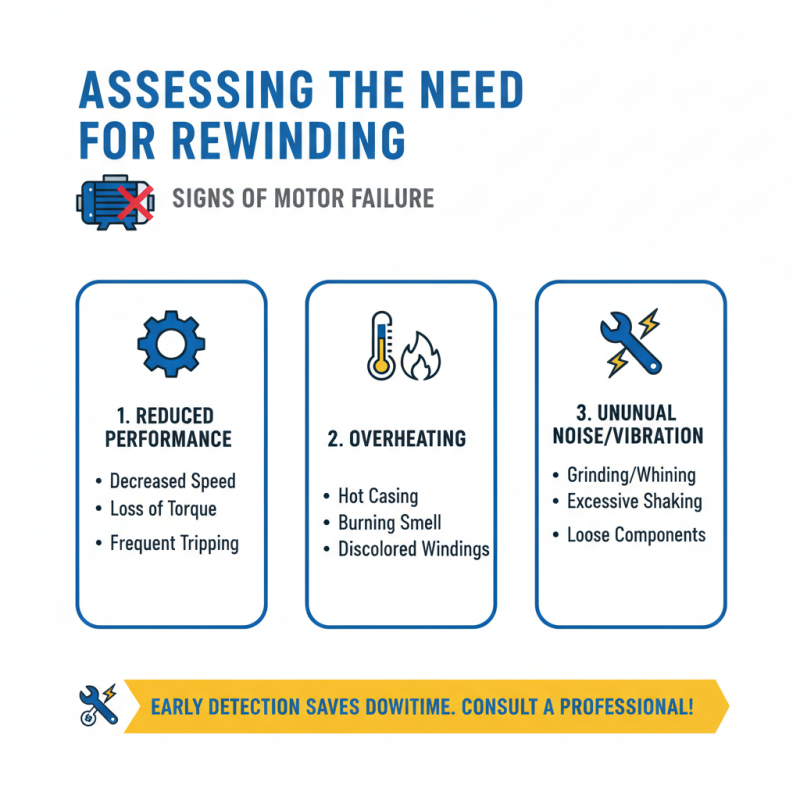
Rewinding involves several techniques that require skill and precision. Each motor type demands specific attention to detail during the process. It’s not just about replacing the coils; it’s about doing it right. Many technicians overlook the importance of using the correct wire gauge and insulation. This can lead to suboptimal performance or even early failure.
Mistakes in rewinding can lead to long-term consequences. For instance, improper winding patterns can create imbalances. Such imbalances ultimately reduce efficiency. Continuous learning in Electric Motor Rewinding is essential. Experts encourage technicians to stay updated on the latest techniques and technologies. It’s a field that values experience and precision.
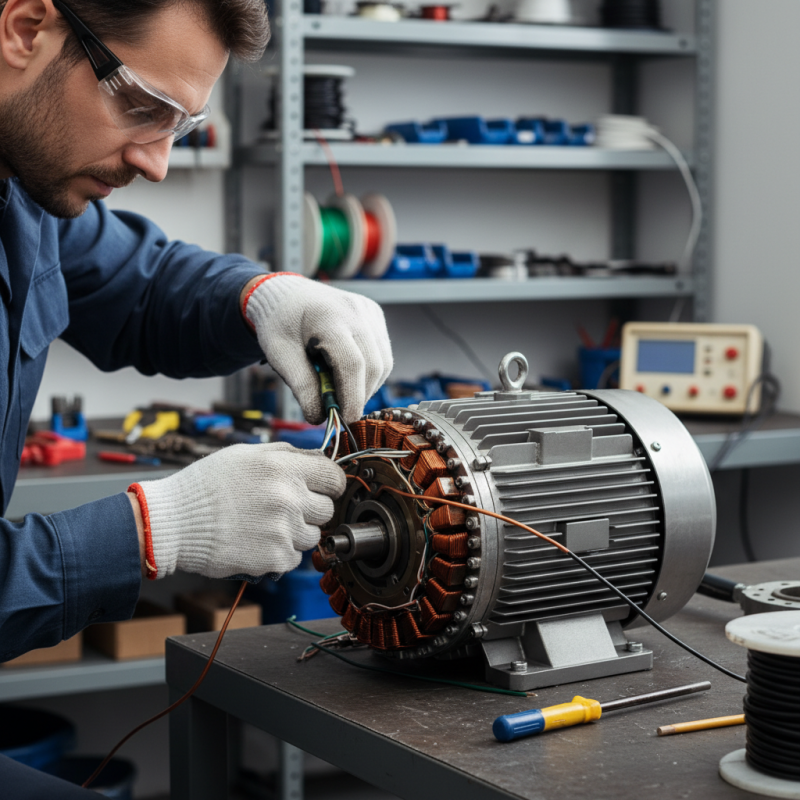
Fundamentals of Electric Motor Rewinding Techniques
Electric motor rewinding is a crucial process that enhances motor performance. Understanding the fundamentals can significantly impact efficiency. Proper winding techniques can improve the energy conversion process.
One of the key techniques involves using the right gauge of wire. Thicker wire can handle more current, but it may be harder to wind. Precision is vital. Check the measurements consistently. Optimal coil windings reduce resistance and improve performance.
Tips: Always clean the core before starting. Dust and debris can affect performance. Use insulation materials that can withstand heat. This helps in prolonging motor life. Practice winding techniques on old motors. It provides experience without risking valuable equipment. Be patient; perfecting your skills takes time.
Top Electric Motor Rewinding Techniques for Improved Performance
This chart presents various electric motor rewinding techniques and their impact on motor performance. The data reflects the effectiveness of each technique in enhancing efficiency and reliability.
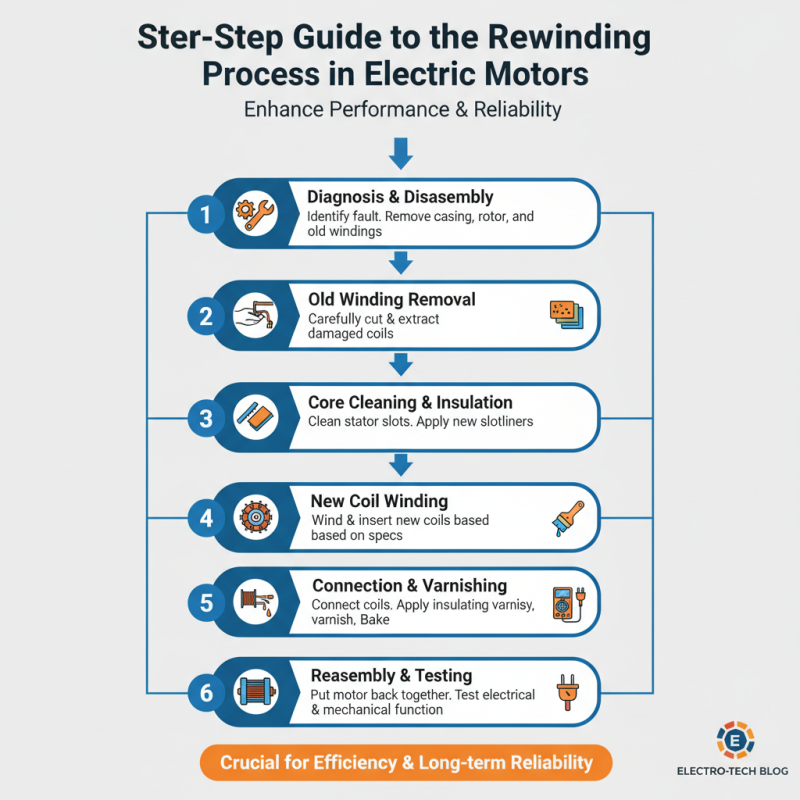
Step-by-Step Guide to the Rewinding Process in Electric Motors
Rewinding electric motors can significantly enhance their performance. Understanding the process is crucial for technicians and enthusiasts alike. A detailed approach helps in ensuring long-term reliability and efficiency.
Begin by disconnecting the motor and documenting the wiring layout. This record guides you during reassembly. Remove the stator and rotor. Inspect them for signs of wear, which can indicate underlying issues, such as imbalanced loads or overheating. According to industry reports, over 30% of motor failures stem from insulation breakdown due to excessive temperature. Paying attention to these details during rewinding can prevent future failures.
Next, select the appropriate winding technique. This choice impacts magnetic flux and energy efficiency. Precision matters here; uneven winding can lead to reduced performance. Industry studies suggest that properly rewound motors can exhibit up to 20% better energy efficiency. Moreover, consider using a digital multimeter to check continuity and insulation resistance after rewinding. Investing time in these checks ensures that the motor operates at peak efficiency, avoiding the costly prospect of premature failure.
Choosing the Right Materials for Effective Motor Rewinding
Choosing the right materials for motor rewinding is vital for optimal performance. The insulation class of wire is crucial. For instance, class H insulation can withstand temperatures up to 180°C, compared to class B, which only tolerates up to 130°C. This choice can impact motor longevity and efficiency significantly.
Proper alignment of the winding is equally essential. Misaligned windings can create unbalanced magnetic fields, leading to vibration and increased wear. Data from industry reports indicate that nearly 30% of motor failures are linked to inadequate rewinding techniques. Choosing high-quality copper wire, rather than aluminum, can enhance conductivity and reduce energy losses. A recent study revealed that motors rewound with superior materials demonstrate a 25% increase in efficiency.
Auditing the condition of existing materials also plays a role. Old insulation may present hidden dangers. Regular testing and assessment can save time and resources. Many technicians overlook the importance of proper storage for winding materials, which affects performance. Addressing these nuances can lead to significant improvements in electric motor reliability.
Top Electric Motor Rewinding Techniques for Improved Performance
| Technique |
Material Used |
Benefits |
Applicability |
| Class F Insulation |
Polyester film |
Higher temperature resistance |
High-performance motors |
| Vacuum Impregnation |
Epoxy resin |
Enhanced moisture and thermal resistance |
Industrial applications |
| Multi-strand Windings |
Copper wire |
Improved electrical conductivity |
General purpose motors |
| Double Insulation |
Polyimide film |
Increased durability and reliability |
Extreme conditions |
| Low Vibration Design |
Steel laminations |
Reduced noise and wear |
Precision machinery |
Testing and Optimizing Performance Post-Rewinding Techniques
When it comes to electric motor rewinding, post-rewinding performance testing is crucial. This phase ensures the motor runs efficiently after the rewinding process. Several methods can help optimize performance, from simple visual checks to advanced diagnostic techniques.
Start by conducting a visual inspection. Look for any signs of damage, such as loose connections or insulation wear. Next, measure the winding resistance. A significant deviation from the expected value may indicate poor rewinding. Pay attention to temperature readings during operation. Overheating can be a sign of inefficiencies in the rewinding process.
Tips: Use thermal cameras to identify hot spots. They can pinpoint areas needing attention. Additionally, perform vibration analysis. Abnormal vibrations can indicate unbalanced rotors or misalignment.
After testing, compare results with original specifications. This comparison helps identify performance gaps. If issues arise, consider re-evaluating your rewinding techniques. Reflect on factors like winding materials and insulation quality. Each choice impacts the overall performance of the motor. Remember, a meticulous approach can yield significant improvements.