Essential Tips for Electric Motor Rewinding You Need to Know?
Electric motor rewinding is a crucial process in maintaining the efficiency and longevity of electric motors. According to John Smith, a renowned expert in electrical engineering, “The quality of rewinding directly impacts motor performance.” This underscores the importance of understanding the essential techniques involved in electric motor rewinding.
Rewinding an electric motor requires precision and knowledge. It's not just about replacing wires; it’s about restoring functionality. A well-done rewind can breathe new life into an old motor. However, this process has its challenges. Mistakes can lead to shortcircuits or inefficient operation. For instance, improper winding techniques can affect the performance and lifecycle of the motor.
Moreover, the demand for skilled professionals is rising. Many technicians may lack the necessary training, which can lead to errors. It’s essential to not only have the right tools but also the right expertise. Reflecting on these aspects is vital for anyone involved in electric motor rewinding. The field is evolving, and staying updated with best practices ensures better outcomes.
Essential Tools and Equipment for Electric Motor Rewinding
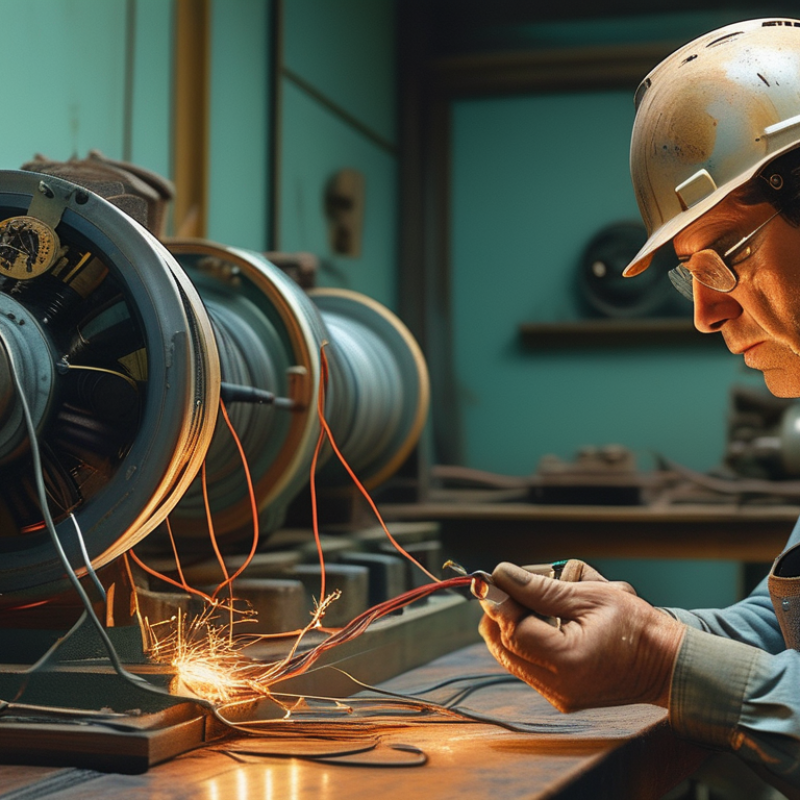
When delving into electric motor rewinding, having the right tools is crucial. A well-equipped workspace enhances efficiency and precision. Key tools include wire strippers, soldering stations, and oscilloscopes. These tools help ensure accurate diagnostics and repairs. According to the Motor and Armature Rebuilders Association, effective use of these instruments can reduce error rates by up to 30%.
A torque wrench is vital to secure winding tensions properly. It prevents irreversible damage to the motor. Insulation resistance testers gauge the quality of insulation. This testing can identify potential failures before they occur. Furthermore, investing in high-quality winding machines can save time and improve output consistency. Reports indicate that automated winding processes have increased productivity by approximately 50% in modern facilities.
Notably, workers often underestimate the importance of safety equipment. Gloves, goggles, and anti-static attire protect technicians from hazards. Despite the availability of protective gear, many neglect its use. Ignoring safety protocols can lead to accidents, which may impact operational efficiency. Therefore, ensuring a complete toolkit with a strong emphasis on safety is essential for successful electric motor rewinding.
Understanding the Types of Electric Motors and Their Rewinding Needs
When it comes to electric motor rewinding, understanding the various types of motors is crucial. There are primarily two categories: AC and DC motors. Each type has distinct rewinding needs due to differences in structure and operation. AC motors typically feature stators and rotors, while DC motors rely on commutation. This structural difference affects how you approach the rewinding process.
Different motors may require specific wire gauges and insulation types. For instance, high-speed motors often need thinner wire to maintain performance, while larger, industrial motors might need thicker wire for better conductivity. It's essential to pay attention to these details. Using the incorrect wire can lead to inefficiencies or even failure.
Rewinding is not just about replacing the wire. It involves assessing the core and insulation condition. Sometimes, the core might have burn marks or damage that needs addressing before rewinding. This step often gets overlooked but is vital for ensuring longevity. Experience plays a key role in identifying these issues early. Careful inspection saves time and effort in the long run.
Key Steps in the Rewinding Process: Preparation to Testing
Rewinding an electric motor requires careful attention to detail. Begin with proper preparation. Gather necessary tools, including a multimeter, winding wire, and insulation materials. Safety gear is essential, too. Ensure you have gloves and eye protection. Disconnect power sources completely. This step cannot be skipped.
After gathering your materials, examine the motor. Identify the type of winding configuration. Sketch the original layout carefully to avoid mistakes. Take notes on wire gauge and turns count. These details matter greatly in the winding process. Disassemble the motor and remove the old windings. Clean the stator or rotor surface thoroughly. Dust and debris can affect performance.
When it's time to rewind, follow the original pattern closely. Strive for uniform tension in the wire. This may take practice. Mistakes can lead to overheating later on. Once rewound, test the resistance with a multimeter. Is it within range? If not, reassess your work. After insulation is in place, reassemble the motor. A final test run will indicate success. Keep a record of any issues encountered for future reference. Learning from these challenges is key to improving skills in rewinding electric motors.
Common Challenges in Electric Motor Rewinding and Solutions
Electric motor rewinding can be a technical yet rewarding task. However, it comes with its own set of challenges. One common issue is the deterioration of insulation, which affects the motor's performance. Use high-quality insulation materials to ensure longevity. Another problem is misalignment during reassembly, which can lead to vibration and noise. Carefully align all components during the reinstallation phase.
Tips: Always take detailed notes during the disassembly process. This will guide your reassembly and prevent mistakes. Consider organizing your workspace to avoid confusion. Color-coding wires can also simplify reinstallation.
Unexpected surprises often arise, such as unexpected wear on components. Inspect all parts closely before reassembly and replace any damaged components. Properly managing these challenges can transform a daunting task into a successful project. Consistent practice improves skills, and learning from each experience is crucial. These challenges can be frustrating, but they are opportunities for growth and improvement.
Essential Tips for Electric Motor Rewinding You Need to Know? - Common Challenges in Electric Motor Rewinding and Solutions
| Challenge |
Description |
Solution |
| Coil Overheating |
Insufficient cooling due to lack of airflow or faulty insulation. |
Ensure proper ventilation and use high-temperature insulation materials. |
| Short Circuits |
Winding wires touching due to improper handling or insulation failure. |
Inspect insulation and use protective coatings during winding. |
| Imbalance in Windings |
Uneven number of turns in windings causing performance issues. |
Use precision tools to ensure uniform winding counts. |
| Vibration Issues |
Improper alignment of rotor or stator can cause excessive vibration. |
Carefully align components during reassembly to minimize vibrations. |
| Equipment Damage |
Risk of damaging delicate components during rewinding. |
Use specialized tools and follow manufacturer guidelines. |
Safety Standards and Best Practices for Electric Motor Rewinding
Electric motor rewinding is a specialized task that demands strict adherence to safety standards. Workers should wear protective gear, including gloves and goggles. According to industry reports, nearly 30% of motor repair injuries occur due to inadequate safety measures. Being aware of the risks is essential.
Using the right tools is critical. Insulation resistance testers and winding machines must meet safety regulations. Always check equipment calibration to avoid potential accidents. It’s vital to maintain a clean work environment. Clutter can lead to distractions and mishaps.
When rewinding, focus on uniform winding tension. Irregular windings can lead to overheating and failures. Utilize proper techniques to protect the coil insulation. This ensures durability and efficiency of the motor. Always document the rewind process for future reference. Keeping precise records helps in tracking performance post-repair. Regular training in safety protocols is also necessary.
Essential Tips for Electric Motor Rewinding
This chart illustrates key metrics and best practices for electric motor rewinding, including safety gear usage, preparation time, number of test runs, insulation resistance, and winding resistance. Following these essential tips will enhance the safety and effectiveness of the rewinding process.