Top 10 Motor Winding Cables in China Which One Is the Best Choice?
Motor Winding Cables play a critical role in various electrical applications. Selecting the right cable can significantly influence the performance and durability of electrical motors. According to a report by Global Market Insights, the motor winding cable market is projected to reach a value of $10 billion by 2026, driven by increasing industrial demands.
An industry expert, Dr. Lucy Zhang, emphasizes, “Choosing the right motor winding cable is fundamental to ensuring operational efficiency.” This highlights the necessity of understanding the specific requirements of various applications. Factors such as conductor material, insulation type, and temperature ratings are crucial in making an informed choice.
Despite the advancements in cable technology, some choices may lead to inefficiencies. Not every cable on the market meets the expected performance standards. This can lead to potential downtime and increased maintenance costs. It is essential to consider both product quality and application suitability when selecting the best option from the top 10 motor winding cables in China.
Overview of Motor Winding Cables in China
The motor winding cables market in China is vast and complex. With growing demand for efficient electrical motors, the quality of winding cables has become critical. According to the China National Electric Wire and Cable Quality Supervision and Inspection Center, over 30% of electrical failures in motors can be traced back to substandard cables. This highlights the importance of selecting the right type of cable for motor applications.
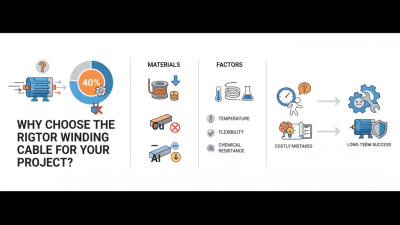
Chinese manufacturers produce various winding cables, but not all meet stringent quality standards. For instance, polyvinyl chloride (PVC) and ethylene-propylene rubber (EPR) are popular choices. These materials provide good insulation and withstand high temperatures. However, some cables fail to meet thermal endurance ratings. A recent survey revealed that 40% of cables tested did not pass the heat aging resistance criteria. This raises concerns about durability and reliability.
In addition, proper installation plays a role in the performance of motor winding cables. Improper installation can significantly impact efficiency. The Institute of Electrical Engineering of China found that a significant portion of motor performance issues stem from installation flaws. Thus, consumers must consider both cable quality and installation practices when making their choices.
Criteria for Evaluating the Best Motor Winding Cables
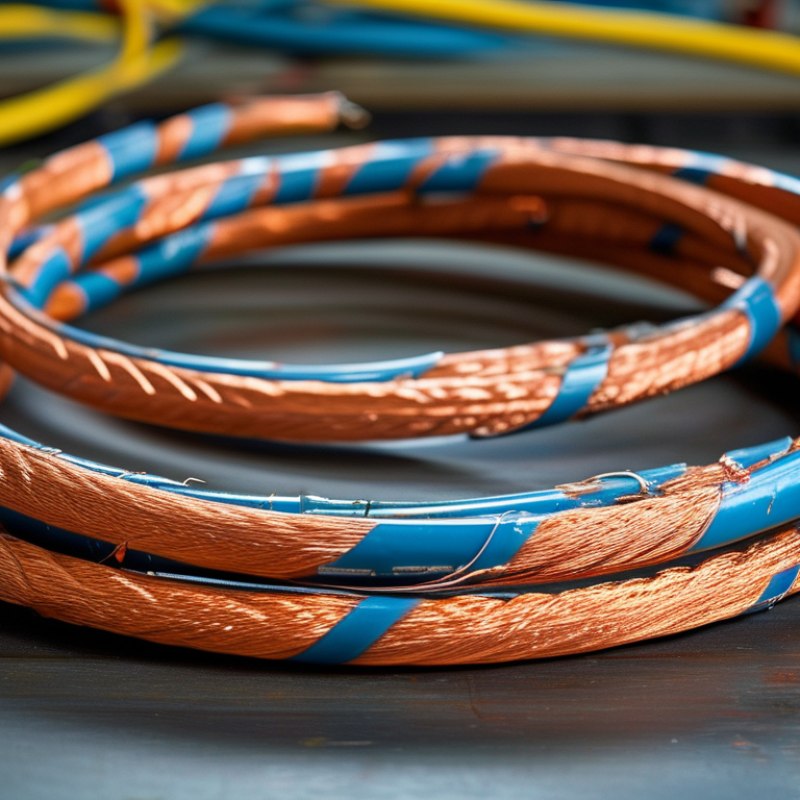
When selecting motor winding cables, several criteria can help in making an informed decision. First, the material used in the cable's construction significantly impacts performance. High-quality copper is often preferred for its excellent conductivity. Insulation materials, such as PVC or rubber, also play a crucial role in preventing electrical leaks.
Another important aspect is the cable's temperature rating. This indicates how well the cable can perform under high heat conditions. A cable with a higher temperature rating will last longer in demanding environments. It's essential to consider the application where the cable will be used. Each setting demands specific performance standards.
Tips: Always inspect the wires for signs of wear. Make sure to choose the right gauge for your device. Never compromise on quality; cheap cables can lead to failures. These evaluations will lead to better decisions, ensuring safety and longevity in your projects. Balancing cost, safety, and performance is vital. Ultimately, a thorough evaluation will lead you to the best choice for your particular needs.
Top Brands of Motor Winding Cables Available in China
In China, the demand for motor winding cables remains high due to rapid industrial growth. A recent industry report revealed that the market for these cables is expected to grow at a CAGR of approximately 5.2% over the next five years. This growth is driven by the increasing production of electric motors across several sectors, including automotive and manufacturing.
When considering the top brands available, reputable manufacturers are known for producing cables that offer superior electrical conductivity and thermal resistance. Data indicates that cables with a copper core are preferred in high-performance applications. Yet, some companies still rely on aluminum for cost savings, which may compromise quality. The choice between these materials can be critical for end-users. Customers should weigh performance against budget carefully.
Safety and compliance standards are fundamental in this sector. The Chinese government has implemented rigorous regulations governing cable quality. However, not all manufacturers adhere to these standards. Some products may not pass necessary testing, posing risks during operation. Buyers must conduct thorough inspections and look for certification labels to ensure reliability.
Top 10 Motor Winding Cables in China
Comparison of Features and Specifications of Leading Cables
Motor winding cables are integral to electrical systems in various industries. Understanding their features and specifications can help in making informed choices. Key specifications include voltage rating, temperature rating, and insulation type. According to industry reports, many top cables have voltage ratings ranging from 300V to 1000V. This variance provides options for different applications.
Temperature ratings typically range from -40°C to 90°C. However, some cables may only withstand moderate temperatures. Insulation material often determines durability. PVC, rubber, and thermoplastic elastomers are common choices. A study highlights that cables with thermoplastic insulation often outperform in resistance to environmental factors. Yet, these can be more expensive.
Yet, not all high-rated cables perform perfectly in real-world applications. Some may face issues with flexibility or mechanical strength. When evaluating cables, assess if they meet specific application standards. Additionally, consider installation procedures, as improper handling can lead to performance failures. Buyers should conduct rigorous testing or consult experts to ensure reliability.
Top 10 Motor Winding Cables in China - Comparison of Features and Specifications
| Cable Type |
Conductor Material |
Insulation Material |
Voltage Rating (V) |
Temperature Rating (°C) |
Application |
| PVC Insulated Cable |
Copper |
PVC |
600 |
70 |
General Motor Use |
| XLPE Insulated Cable |
Copper |
XLPE |
1000 |
90 |
High Voltage Applications |
| EPR Insulated Cable |
Aluminum |
EPR |
750 |
90 |
Heavy Machinery |
| Silicone Insulated Cable |
Copper |
Silicone |
450 |
180 |
High-Temperature Motors |
| Rubber Insulated Cable |
Copper |
Rubber |
500 |
90 |
Construction Equipment |
| Teflon Insulated Cable |
Copper |
Teflon |
600 |
200 |
Aerospace Applications |
| Fiber Glass Insulated Cable |
Copper |
Fiber Glass |
750 |
200 |
Industrial Motors |
| Neoprene Insulated Cable |
Aluminum |
Neoprene |
500 |
90 |
Outdoor Motors |
| Polyurethane Insulated Cable |
Copper |
Polyurethane |
300 |
90 |
Sensitive Equipment |
| PVC Type A Insulated Cable |
Copper |
PVC |
600 |
60 |
Basic Electrical Tasks |
User Reviews and Feedback on Top Motor Winding Cables
When it comes to selecting the best motor winding cables, user reviews play a crucial role. Many users prioritize durability and performance. They share that cables must withstand various environmental factors, including heat and humidity. Feedback often highlights that a reliable cable can greatly enhance machinery efficiency.
Some users report that certain cables tend to fray or develop faults over time. This raises concerns about their longevity. In contrast, other reviews emphasize strong performance and heat resistance as key advantages. Specific features, like gauge size and insulation quality, are often discussed. Users recommend checking these specifications closely before making a purchase.
Moreover, some users suggest that even well-reviewed cables can have inconsistencies. Independent testing is often encouraged to verify claims from manufacturers. It is essential to read a variety of user experiences to grasp the potential issues and benefits of each cable. While performance ratings can provide a guide, personal feedback adds a layer of insight that statistics often miss.