What is Electric Motor Rewinding and Why is it Important?
Electric Motor Rewinding is a critical process in maintaining the performance of electric motors. Many industries rely heavily on electric motors, with over 70% of all industrial machinery using them, as reported by the U.S. Department of Energy. When these motors fail, the implications can be significant, leading to costly downtime and reduced productivity. Rewinding ensures that motors operate efficiently and prolongs their lifespan.
The process involves removing the old winding and replacing it with new wire. This requires expertise and precision. Research indicates that nearly 30% of motor failures result from winding issues. Thus, Electric Motor Rewinding not only revitalizes motors but also addresses the root causes of mechanical failures.
However, it's essential to approach this process with caution. Not all motor types are suitable for rewinding, and certain conditions or damages may prevent effective repair. Industry experts often emphasize the need for detailed assessments before proceeding. Electric Motor Rewinding, while beneficial, necessitates careful consideration of each motor’s condition and history.

What is Electric Motor Rewinding?
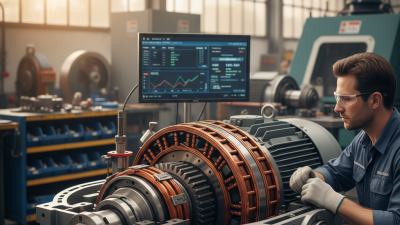
Electric motor rewinding is a vital process in maintaining motor longevity and efficiency. It involves replacing damaged coils in an electric motor with new wire. This task requires a deep understanding of motor design and specific techniques. Skilled technicians can bring an old motor back to life, often at a fraction of the cost of a new motor.
During the rewinding process, technicians inspect components carefully. They evaluate insulation integrity and winding patterns. Each motor type may need a different approach, showcasing the importance of expertise in this field. Not every motor can be rewound successfully; some damage may be irreversible. This reality highlights the importance of proper maintenance to prevent failure.
The significance of rewinding extends beyond cost savings. It also reduces waste and promotes sustainability. Choosing to repair rather than replace motors can lead to less landfill waste. However, it requires a clear understanding of when rewinding is appropriate. This decision-making aspect can be challenging; it underscores the need for a knowledgeable technician's input.
The Process of Electric Motor Rewinding: A Step-by-Step Guide
Electric motor rewinding is a crucial process in the maintenance of electric motors. It involves removing the worn-out wire coil from the stator and replacing it with new wire. This procedure helps restore the motor's efficiency and extends its lifespan. The rewinding process requires precision and expertise to ensure that the motor functions optimally after repair.
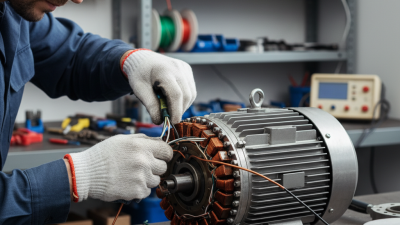
To start the rewinding process, technicians must first dismantle the motor. They carefully disconnect all components to access the stator. Once opened, the old windings are meticulously removed. Cleaning the stator core is vital to eliminate any debris or insulation remnants. This step ensures a clean surface for the new wire.
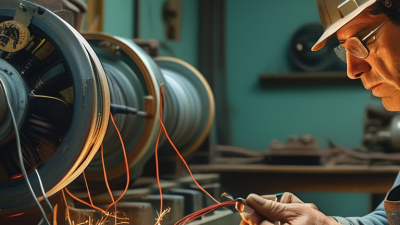
Next, winding the new coils is where skill is paramount. Each coil needs to be wound with the correct tension and direction. Incorrect winding can lead to motor failure. When fitting new wire, maintaining proper insulation is essential to prevent future shorts.
Tips: Always document each step during disassembly. This aids in reassembly later. Using high-quality insulation materials can enhance motor performance and lifespan. Finally, testing the motor after rewinding is crucial to check for any issues before putting it back into service. Proper procedures and care can significantly impact the effectiveness of the repair.
Benefits of Regular Electric Motor Rewinding for Efficiency
Electric motor rewinding is a critical maintenance procedure. It involves replacing the wire winding in motors that have degraded. Regular rewinding can significantly enhance the motor's efficiency. This practice prevents overheating, reduces energy consumption, and extends the motor's lifespan. Without proper attention, motors can become less effective over time.
One key benefit of regular rewinding is improved performance. A well-maintained motor runs smoother and quieter. This can lead to less downtime for machinery. Moreover, regular rewinding can help identify other potential issues before they escalate. Issues like bearing wear or insulation breakdown can be detected early during the rewinding process. Ignoring these signs can lead to costly repairs later.
It’s also important to remember that not all motors need frequent rewinding. Some may only require it every few years. However, understanding your motor's usage and condition is vital. Inconsistent maintenance may result in unexpected failures. Business owners should prioritize regular checks and consider rewinding when necessary. This proactive approach can save money and improve overall efficiency in the long run.
Benefits of Regular Electric Motor Rewinding for Efficiency
Key Industry Statistics on Electric Motor Lifespan and Maintenance
Electric motors are crucial for various industries. They power everything from manufacturing equipment to household appliances. Understanding their lifespan and maintenance is vital for ensuring efficiency. According to industry statistics, the average lifespan of an electric motor is around 15 to 20 years. However, this can vary significantly based on usage, environment, and maintenance practices. Poor maintenance can shorten a motor’s life considerably.
Routine checks can prevent unexpected failures. Many motors suffer from wear and tear, leading to reduced performance. Regular inspections can identify issues like overheating, vibrations, or unusual noises early on. Simple maintenance tasks may include cleaning, lubrication, and checking alignment. These actions can extend the motor’s lifespan and improve operational reliability.
Despite these recommendations, many companies overlook basic maintenance. This oversight can lead to costly downtimes and replacements. Investing in knowledgeable technicians for electric motor rewinding or repairs can yield long-term savings. Not all repairs will guarantee immediate improvement. Strategic planning and consistent maintenance are key to maximizing the return on investment.
Common Issues that Lead to Electric Motor Rewinding Needs
Electric motor rewinding is often necessary due to specific issues that arise during the motor's operation. One common problem is overheating. This can occur from prolonged use or inadequate ventilation. When temperatures rise, the insulation on the windings breaks down, leading to short circuits and efficiency loss.
Another frequent issue is mechanical wear. Bearings can fail over time, causing rotor misalignment. This misalignment creates additional stress on the windings. Furthermore, contamination from dust and moisture can also damage the winding insulation. These factors degrade the motor's performance and necessitate rewinding to restore functionality.
Electrical issues such as short circuits or open circuits also contribute to the need for rewinding. Corroded connections can lead to increased resistance. When a motor becomes unreliable, it can affect productivity and lead to costly downtime. Understanding these common issues highlights the importance of regular maintenance to extend motor life and efficiency.
What is Electric Motor Rewinding and Why is it Important? - Common Issues that Lead to Electric Motor Rewinding Needs
| Issue |
Description |
Frequency (%) |
Importance of Rewinding |
| Worn Out Windings |
Insulation breakdown leads to short circuits and overheating. |
40% |
High importance due to potential damage and operational failure. |
| Overheating |
Excessive heat can cause insulation failure and winding damage. |
30% |
Critical, can lead to complete motor replacement if ignored. |
| Vibration Issues |
Improper alignment or imbalance can degrade windings. |
20% |
Moderate importance, affects efficiency and lifespan. |
| Electrical Faults |
Faulty components can lead to arcing and winding damage. |
10% |
Important to address quickly to prevent further issues. |